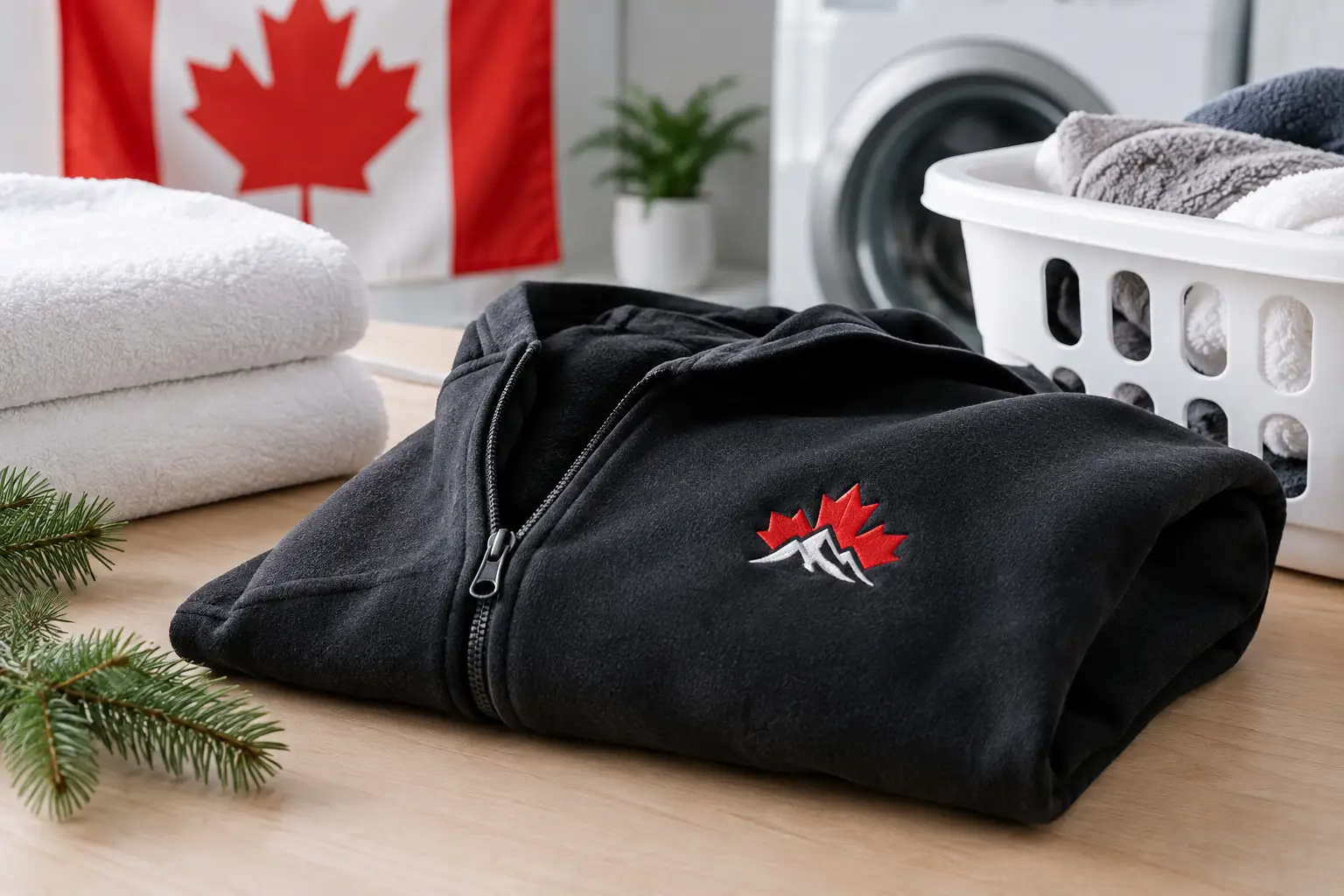
A logo on a work shirt has to withstand more than a quick photo or a trade show. It may go through weekly laundry, jobsite dust, food spills, warehouse shifts, and busy school or team schedules. So, are embroidered logos washable? Yes. Quality embroidery is made for regular wear and laundering, provided the garment, thread, backing, and care routine are properly matched.
For businesses and organizations ordering branded apparel, the better question is not whether embroidery can be washed. It is how to help the logo keep its shape, color, and professional appearance over the life of the garment. A few practical decisions before production, followed by sensible care at home or on the job, make a meaningful difference.
Are Embroidered Logos Washable in Regular Laundry?
In most cases, embroidered logos can be washed in a standard home washing machine. Embroidery thread is typically durable polyester, which holds color well and stands up to repeated washing. The stitching itself is not printed on the fabric surface, so it will not crack or peel in the way some lower-quality transfers can.
That said, the logo is only one part of the equation. The garment fabric matters just as much. A cotton polo, polyester performance shirt, fleece jacket, canvas work jacket, and structured cap all need slightly different handling. Heat, harsh chemicals, rough washing, and overloaded machines can affect the garment around the embroidery, even when the stitching remains intact.
A well-produced embroidered logo should stay secure through normal laundering. If threads begin pulling loose, the backing shows through, or the embroidered area puckers badly after a wash, the issue may be related to garment construction, design density, stabilizer selection, or improper care.
What Makes an Embroidered Logo Last?
A durable result begins before the first wash. The design needs to be digitized for embroidery rather than simply converted from a printed logo. Fine lines, tiny text, and complicated color blends may need adjustment so they stitch cleanly at the intended size. A logo that looks sharp on a business card does not always translate directly to thread.
Thread choice also matters. Polyester embroidery thread is a dependable option for uniforms and regularly washed apparel because it resists fading, moisture, and abrasion. The correct backing, sometimes called stabilizer, supports the fabric while the design is stitched. Without that support, light or stretchy fabrics can ripple around the logo.
Placement has a role as well. A left-chest logo on a polo generally sees less friction than embroidery placed on a sleeve, cuff, pocket edge, or area that rubs against equipment. None of those locations are wrong, but they may require thoughtful design choices and more careful handling.
For recurring uniform programs, consistency matters. Using the same approved garment styles and embroidery specifications helps ensure that new orders match the appearance and wash performance of the apparel your staff already wears.
Best Way to Wash Embroidered Apparel
The care label on the garment should always come first. Beyond that, a gentle, practical routine will protect both the apparel and the logo.
Turn embroidered shirts, jackets, and uniforms inside out before washing. This reduces direct abrasion against zippers, buttons, rough fabrics, and other items in the load. Wash in cold or warm water using a mild detergent. Hot water is rarely necessary for standard branded apparel and can increase shrinking, fading, or stress on synthetic fabrics.
Avoid bleach unless the garment label specifically permits it. Chlorine bleach can weaken fibers and may change the appearance of certain threads or dyes. Fabric softener should also be used carefully, particularly on moisture-wicking performance wear, since it can leave a coating that affects fabric performance.
For everyday staff polos, embroidered button-downs, and team apparel, wash similar colors and fabric weights together. Heavy work pants, garments with exposed hardware, or rough towels can cause unnecessary friction. When possible, do not pack the machine too tightly. Clothing needs room to move through the water rather than rubbing aggressively against the rest of the load.
Treat Stains Before They Set
Stains should be addressed promptly, but avoid scrubbing directly across the embroidery with a stiff brush. That can catch threads or distort the stitched surface. Apply a fabric-safe stain treatment around the affected area and gently work it into the garment according to the product directions.
If a spill lands directly on the logo, blot first rather than rubbing. For persistent stains, professional cleaning may be worth considering, especially for higher-value outerwear, hospitality uniforms, or formal embroidered pieces.
Drying Is Where Many Logos Lose Their Best Look
Embroidery is washable, but excessive dryer heat is one of the easiest ways to shorten the useful life of branded apparel. High heat can shrink cotton, stress adhesives used in some garment components, and make synthetic fabrics look tired sooner. It can also leave an embroidered area feeling stiff or slightly raised after repeated cycles.
Air drying is the safest option, particularly for polos, performance apparel, fleece, and jackets. If using a dryer, choose a low-heat setting and remove garments when they are dry rather than running a long extra cycle. Turning apparel right-side out after drying helps the logo settle into its natural position.
Caps deserve special attention. Most embroidered caps should not go into a washing machine or dryer, especially structured styles with a firm front panel or shaped brim. Spot clean them with mild soap, cool water, and a soft cloth, then allow them to air dry in a shape that supports the crown.
Can You Iron an Embroidered Logo?
Yes, but do not place a hot iron directly on the embroidery. Direct heat can flatten the thread, create a shine on synthetic fibers, or damage the garment fabric. Turn the item inside out and iron from the back on the heat setting recommended by the garment label.
If the item must be pressed from the front, place a clean pressing cloth between the iron and the embroidered logo. Keep the iron moving and avoid steam settings if the fabric does not tolerate them. For polos and casual uniforms, hanging the garment immediately after drying often reduces the need for ironing at all.
When Embroidery May Not Be the Best Choice
Embroidery is an excellent choice for polos, jackets, hats, work shirts, bags, and durable uniform pieces. It creates a polished, long-lasting finish that is especially well suited to company logos with bold shapes and readable lettering.
There are trade-offs. Very large embroidered designs can feel heavy on lightweight shirts. Highly detailed artwork, photographs, gradients, or very small text may reproduce more clearly with screen printing or another decoration method. Performance fabrics may also need specialized backing and thread choices to prevent puckering.
A dependable apparel program considers the garment’s use first. A front-office polo, a construction crew jacket, a volunteer event T-shirt, and a youth sports jersey each face different conditions. Selecting the right decoration method for the application protects both the look of the logo and the comfort of the person wearing it.
A Practical Care Standard for Staff and Teams
If you provide embroidered uniforms or branded apparel to employees, volunteers, or members, include simple care instructions with the order. A brief note to wash inside out in cold or warm water, avoid bleach, and tumble dry low can prevent many avoidable issues.
For businesses that reorder apparel throughout the year, keep a record of approved logo sizes, thread colors, garment brands, and placement details. This helps maintain a consistent standard as team members join, seasons change, or additional locations need branded clothing.
Quality embroidery is built to be worn, washed, and relied on. With the right garment and a sensible laundry routine, your logo can continue representing your organization clearly long after the first day it is issued.