A real estate agent has a new development to present. A nonprofit needs sponsors for its annual event. A contractor wants to leave behind material that proves the depth of its services. In each case, booklets or brochures for marketing can put useful information directly into a customer’s hands, but the right format is not automatically the same.
The decision comes down to how much you need to say, where the piece will be used, and what action you want readers to take. A well-planned printed piece feels substantial, supports your sales conversation, and gives people a reason to keep your brand close after the meeting ends.
Booklets or Brochures for Marketing: Start With the Job
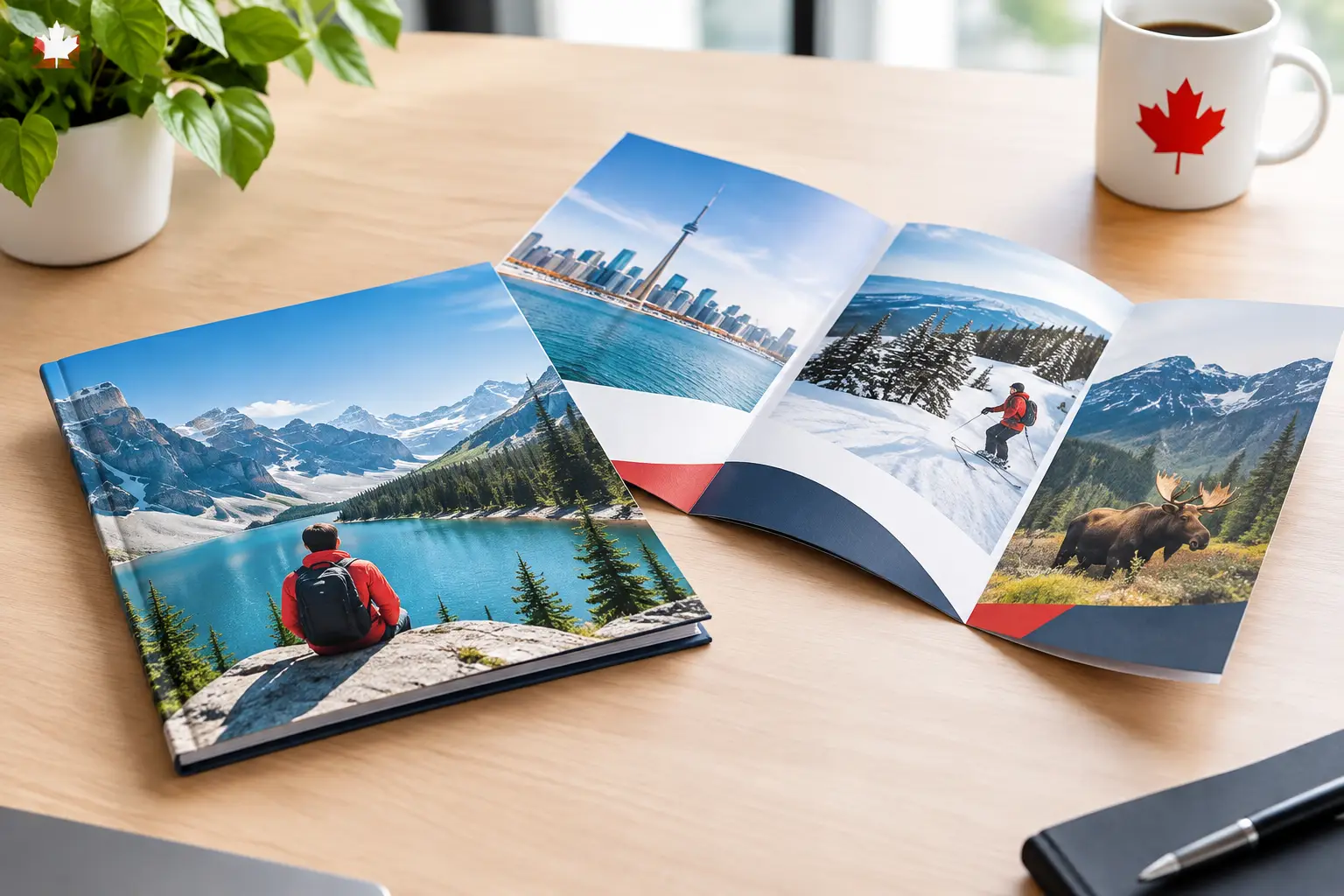
A brochure is built for a fast introduction. Usually folded from a single printed sheet, it gives readers an organized overview of your business, offer, event, or product. It works well at a front counter, in a direct mail package, at a trade show, or as a handout after a short conversation.
A booklet is better when the decision requires more confidence and more detail. With multiple pages and a bound format, it gives your business room to explain services, show examples, include pricing guidance, answer common questions, or tell a fuller story. It can function as a product catalog, program guide, training manual, annual report, visitor guide, or sales presentation.
Neither option is inherently more professional. The stronger choice is the one that respects the reader’s time. A six-page message forced into a tri-fold brochure feels crowded. A simple promotion expanded into a 20-page booklet can feel expensive and unnecessary.
When a Brochure Is the Better Fit
Choose a brochure when you need to create interest quickly. It is compact, easy to carry, and practical for broad distribution. For many small businesses, this makes it the workhorse of printed marketing.
A restaurant may use a folded brochure to introduce catering packages. A dental office may use one to explain a new-patient offer. A community organization may distribute one to promote a fundraiser, listing the date, purpose, sponsors, and ways to participate. The reader should be able to understand the main message in less than a minute.
Brochures are especially effective when they have one clear purpose. That may be booking an appointment, visiting a location, requesting a quote, registering for an event, or scanning a QR code for more information. The front panel should make that purpose obvious, while the inside panels provide only the supporting details needed to move someone forward.
Because brochures are commonly printed in higher quantities, they can offer a practical cost per piece for mail campaigns, retail displays, event handouts, and sales kits. Paper choice still matters. A heavier stock and a protective finish can give a brochure a more premium feel, while a lighter uncoated sheet may suit an informational piece that readers are expected to write on.
When a Booklet Earns Its Place
A booklet works harder when your offering is complex, your audience is comparing options, or the information must remain useful over time. It lets readers move through the content at their own pace rather than trying to decode a dense collection of panels.
For example, a building supplier can use a booklet to show product categories, specifications, installation guidance, and project photography. A school can produce a course guide with dates, policies, registration details, and contact information. A professional services firm can present case studies and service packages in a format that reinforces experience and care.
The format also creates space for better hierarchy. Instead of shrinking text to fit, you can use clear sections, photography, diagrams, testimonials, and calls to action without making the page feel cramped. That readability matters when a customer is making a considered purchase or passing the material to another decision-maker.
Booklets do require more planning. Page counts, binding methods, paper stock, and content updates all affect production. Saddle stitching is often a dependable choice for shorter booklets, while coil binding or other finishing options may suit manuals and pieces meant for frequent use. If your services or pricing change regularly, a smaller brochure or a booklet with replaceable inserts may be the smarter investment.
Consider the Reader’s Next Step
The format should follow the customer journey, not simply the amount of copy available. Ask what happens after someone receives the piece. Are they standing at a booth and choosing whether to start a conversation? Are they taking information home to review with a partner? Are they already a customer who needs instructions or a reference guide?
A brochure is often ideal at the awareness stage, where the goal is recognition and a simple response. A booklet is more useful during consideration, when readers need evidence, details, and reassurance before they commit.
This does not have to be an either-or decision. Many organizations use both formats as part of the same campaign. A brochure can introduce the offer and direct interested people to a more detailed booklet. A sales representative can leave a booklet after a meeting, then use a matching brochure for follow-up mailings or community events. Keeping the design, colors, and messaging consistent makes both pieces feel like part of one professional system.
Design for Print, Not Just the Screen
Strong print marketing is more than a digital file placed on paper. Type that seems readable on a monitor can become too small in a folded panel. Images need sufficient resolution to reproduce sharply. Colors should be selected with the final printed result in mind, particularly when brand consistency matters across business cards, signage, presentation folders, and promotional materials.
Start with one main message and one primary call to action. Give your logo and contact information a consistent, easy-to-find position. Use headings that help readers scan, and reserve space around important content instead of filling every corner. White space is not wasted space when it makes your message easier to understand.
For brochures, map the folds before writing. The cover panel, inside spread, and back panel each have different jobs. For booklets, build a page plan before design begins so sections flow naturally and key information does not get buried near the end.
Variable data printing can also make a campaign more relevant. A brochure or booklet can include a recipient’s name, location-specific details, a tailored offer, or a customized message without sacrificing a polished branded appearance. This approach is particularly useful for membership drives, donor communications, and targeted business outreach.
Budget, Quantity, and Shelf Life Matter
A lower unit cost is not always the lowest marketing cost. Ordering thousands of brochures for a promotion that changes next month can create waste. Producing too few pieces for a long-running campaign can result in repeated setup costs and inconsistent materials.
Consider how long the content will stay accurate, how quickly you need the finished piece, and where it will be distributed. A seasonal event brochure may call for a modest quantity and fast turnaround. A product catalog or visitor guide may justify a larger, more durable booklet run because it will be used for months.
A local print partner can help identify the practical middle ground. At Noran Printing, businesses and organizations can review format, stock, folding, binding, quantity, and color expectations before production begins. That early conversation helps prevent costly revisions and ensures the finished piece suits its real-world use.
Make the Printed Piece Worth Keeping
The best marketing print does not try to say everything. It gives readers the right information at the right moment, in a format that feels easy to use and worth holding onto. Choose a brochure when speed, portability, and a focused message matter most. Choose a booklet when your audience needs detail, proof, and a reason to spend more time with your business.
When the format supports the message, print becomes more than a handout. It becomes a useful part of the conversation your customers continue after they leave.