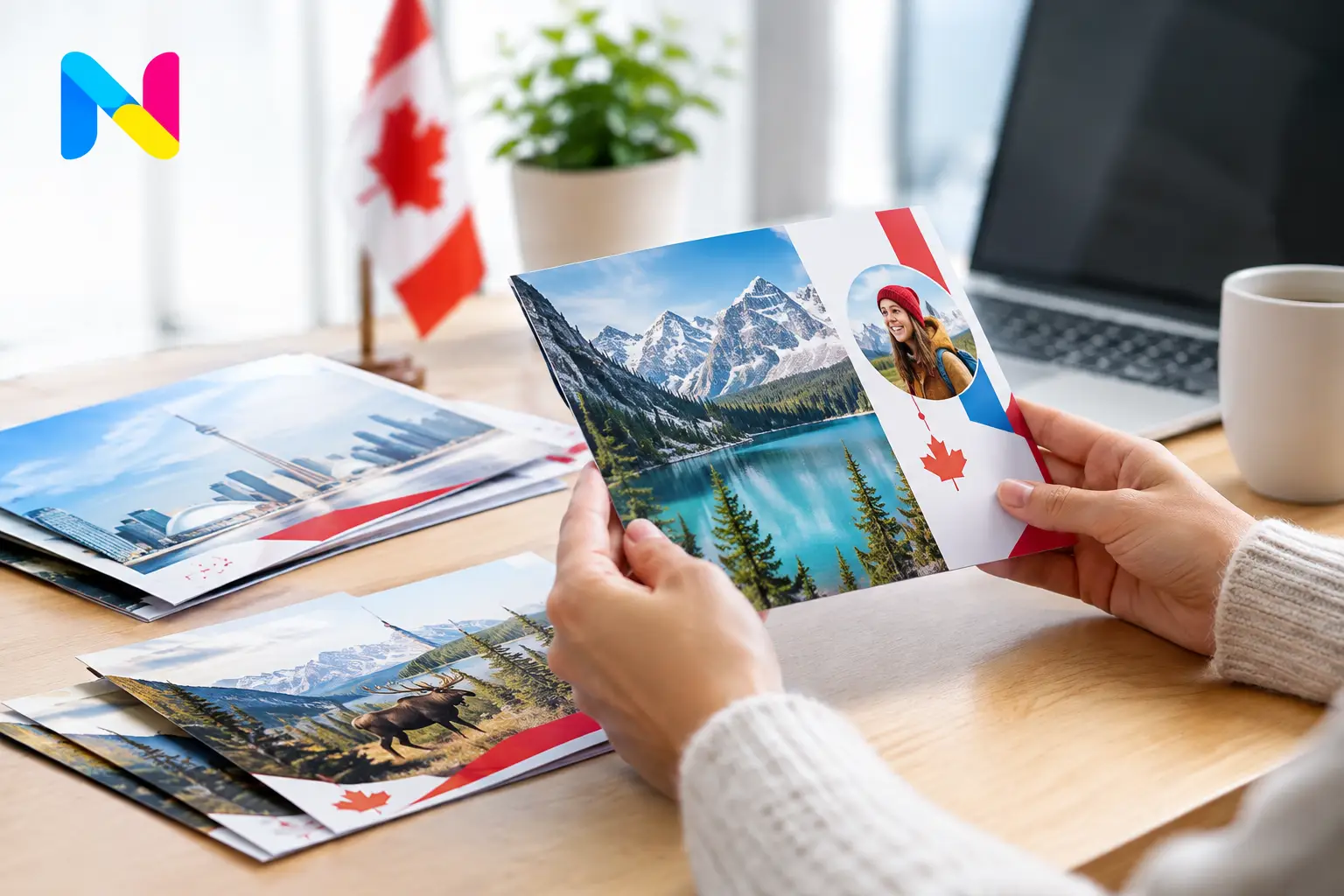
A postcard addressed to a customer by name is only the starting point. The future of personalized print marketing is about making every printed piece more useful, more relevant, and easier to act on. For local businesses and organizations, that can mean sending a timely offer to a returning customer, producing event materials tailored to different audiences, or giving sales teams presentation folders that reflect the industries they serve.
Print has always had a physical advantage: it stays on a desk, gets passed between people, and gives a message more presence than another unopened email. Personalization adds relevance to that staying power. When the message, image, offer, or call to action reflects the recipient’s needs, print becomes a more deliberate part of a marketing plan rather than a broad, one-size-fits-all expense.
Why Personalization Is Moving Beyond Names
Adding a name to a direct mail piece still has value, but customers recognize when personalization stops there. A message that says “Hello, Sarah” but promotes an irrelevant service can feel automated rather than thoughtful. Better campaigns use available information to shape the entire communication.
A contractor might send different seasonal maintenance reminders to homeowners, property managers, and commercial clients. A school or community organization may create event invitations that feature the programs most relevant to each group. A retailer can acknowledge prior purchases with a related offer instead of sending the same promotion to every address on its list.
This does not require a massive database or complicated technology. A clean mailing list with a few meaningful fields can make a substantial difference. Location, customer type, past purchase category, renewal date, membership status, or preferred service are often enough to create practical audience segments.
The point is not to use every piece of information available. It is to use information responsibly and only when it improves the recipient’s experience. A personalized piece should feel helpful, not intrusive.
The Future of Personalized Print Marketing Is Connected
The strongest print campaigns will not operate separately from a business’s digital marketing. Instead, printed materials will give people a clear path to the next action, whether that is visiting a custom web page, registering for an event, requesting a quote, or redeeming an offer.
Variable data printing makes this possible at scale. It allows details such as names, images, offers, maps, QR codes, and contact information to change from one printed piece to the next without slowing down the entire production run. A real estate office, for example, could mail neighborhood-specific market updates with a local agent’s contact details and a QR code leading to information for that area.
The QR code should have a purpose. Sending every recipient to a generic homepage wastes an opportunity to continue the personalized experience. A campaign works better when the printed message and the landing page speak to the same audience and offer the same next step.
Tracking also gives businesses a clearer view of print performance. Unique QR codes, promotional codes, dedicated phone numbers, or campaign-specific web pages can show which segment responded and which offer produced action. Print cannot always be measured as instantly as an online ad, but it can be measured well when the campaign is designed with response tracking in mind.
Better Data Makes Better Print
Personalized print is only as reliable as the information behind it. Incorrect names, outdated addresses, duplicate records, and inconsistent customer categories can undermine a campaign before it reaches the mailbox.
Before ordering a variable-data campaign, take time to review the list. Remove duplicates, confirm addresses where possible, standardize fields, and identify the segments that matter most. It is usually wiser to begin with a focused campaign for a high-value audience than to personalize a large mailing list that has not been reviewed.
The same principle applies to brand information. If a business has different staff members, locations, departments, or service areas, details need to be accurate on every version. Personalized materials should still look and feel like one brand. Consistent logos, colors, type choices, and production quality create the confidence that makes customization credible.
For many organizations, data handling also requires clear internal boundaries. Customer information should be collected with permission, stored carefully, and used for communications people can reasonably expect. Personalization earns attention when it reflects a real relationship. It loses trust when it appears to know more than it should.
Where Personalized Print Creates Real Value
Not every printed item needs variable data. Large posters, menus, and general awareness flyers often work best as consistent, high-volume pieces. Personalization is most valuable when relevance can influence response, retention, or a next step.
It is particularly effective for these kinds of projects:
- Direct mail campaigns with offers based on customer type, service history, or location.
- Renewal, appointment, fundraising, or membership reminders with dates and personalized instructions.
- Event invitations, tickets, name badges, and follow-up pieces tied to attendees or sponsors.
- Sales packages with tailored cover letters, presentation folders, brochures, and contact information.
- Thank-you cards and customer follow-ups that turn a completed transaction into a reason to return.
A small business does not need to personalize every field to benefit. Sometimes the right local image, a relevant service category, and a timely offer are more effective than an overly detailed message. The best degree of personalization depends on the audience, the quality of available data, and the value of the transaction.
Print Quality Still Carries the Message
As personalization becomes more common, physical quality will matter even more. If the message is carefully tailored but the colors are inconsistent, the paper feels thin, or variable details are poorly placed, the finished piece can weaken the impression a business hoped to make.
This is where experienced print production makes a practical difference. Variable elements need to be checked alongside the fixed design, not treated as an afterthought. Address blocks need room to breathe. Images must be suitable for print. Colors need to remain consistent across postcards, brochures, envelopes, labels, and related materials.
Format also affects response. A personalized postcard may be the right choice for a straightforward offer, while a letter package can carry more detail for a high-consideration service. A booklet may work for a donor campaign or annual report. For an in-person event, coordinated signage, name badges, programs, and branded apparel can make the experience feel organized from the first interaction.
Noran Printing helps businesses and organizations bring these elements together under one roof, from variable-data mail pieces and business printing to signage, promotional products, and branded apparel. That coordination can reduce the back-and-forth that often comes with managing several suppliers.
Start Small, Then Improve the Next Run
The most useful personalized print programs are built through testing. Begin with one goal: bring back inactive customers, fill a seasonal service schedule, increase event registrations, or encourage repeat purchases. Select a well-defined audience, create an offer that fits that audience, and decide how responses will be recorded.
Then compare results. Did one customer segment respond more often? Did a personalized QR code generate visits? Did a certain message perform better with newer customers than long-term clients? Those answers can shape the next campaign more effectively than assumptions ever will.
There are trade-offs. More versions can increase planning time, and variable data requires careful proofing. A highly personalized campaign may not make sense for a low-value offer or an audience with limited usable data. But for relationship-driven businesses, schools, nonprofit groups, and service providers, even modest personalization can make print more efficient because it reduces wasted messages.
The next printed piece your organization sends does not need to be complicated. It needs to give the right person a credible reason to notice, respond, and remember who took the time to speak directly to them.