A postcard that says “Dear Customer” is easy to ignore. A postcard that uses the recipient’s name, references a recent purchase, or promotes the right location gets a different reaction. That is the value behind this guide to variable data printing – using print that changes from one piece to the next without slowing down production.
For businesses, schools, nonprofits, and event organizers, variable data printing is not a niche add-on. It is a practical way to make direct mail, labels, forms, tickets, and promotional materials more relevant and more useful. When it is planned well, it helps improve response rates, reduce waste, and keep communication accurate.
What variable data printing actually means
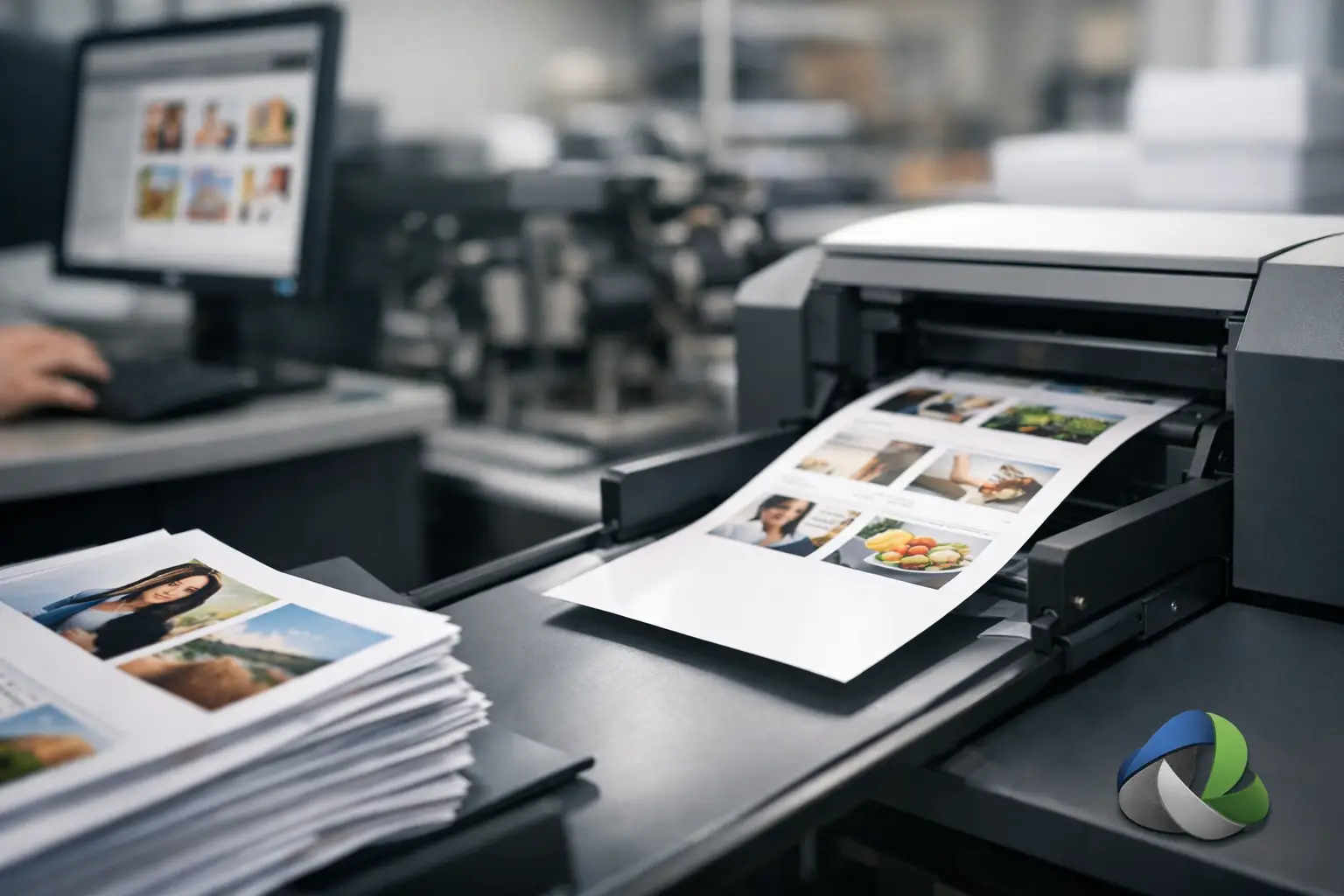
Variable data printing, often shortened to VDP, is a digital printing method that allows certain elements to change from one printed piece to the next within the same print run. Those changing elements might be a name, address, membership number, barcode, QR code, image, offer, expiration date, or even a full block of text.
The key difference is that the design stays controlled while specific fields pull from a data source. One brochure can carry 500 different names. One postcard campaign can feature different offers for different customer segments. One set of event badges can print with unique names and access codes, all in sequence.
This is why VDP works especially well for organizations that need both consistency and customization. You keep the brand standards, but you do not have to send the exact same message to everyone.
A guide to variable data printing use cases
The most effective VDP projects usually start with a clear business reason, not just the technology. If the goal is stronger response, personalized mailers are a common fit. If the goal is smoother operations, numbered forms, statements, labels, and ID materials often make more sense.
Direct mail is one of the best-known examples. A local business might send a postcard campaign where each version includes the customer’s name, a neighborhood-specific offer, and a personalized promo code. That creates a stronger connection than a generic mailer and also makes it easier to track results.
VDP is also valuable for internal and operational printing. Invoices, statements, packing slips, school notices, donor letters, membership renewals, and appointment reminders all benefit from accurate variable information. In these cases, personalization is not just about marketing. It is about reducing errors and making the printed piece immediately usable.
Events are another strong fit. Name badges, table cards, tickets, and registration packets often need unique names, roles, or access levels. Printing that information directly into the final piece saves time and avoids the patchwork look of handwritten edits or labels added later.
When variable data printing makes sense – and when it does not
Not every print project needs personalization. If every piece is identical and the objective is simply bulk distribution, standard printing may be the better route. Variable data printing adds the most value when relevance, tracking, or data accuracy matter.
It makes sense when you have a reliable data list, a reason to segment your audience, and a design that supports customization. It may not be the right fit if your contact data is outdated, inconsistent, or incomplete. Poor data can turn a strong concept into an expensive mistake.
This is where experienced print planning matters. A campaign with simple name personalization is usually straightforward. A project with multiple audience segments, changing images, unique offers, and serialized codes needs closer setup and proofing. The more complex the variables, the more important file preparation becomes.
The data matters as much as the design
Many VDP issues do not start at the press. They start in the spreadsheet.
If names are misspelled, addresses are missing unit numbers, or fields are formatted inconsistently, those problems will show up in print. A contact list that says “Bob” in one row, “Robert” in another, and all caps in a third creates an uneven result unless it is cleaned up first.
Good data prep usually includes checking spelling, standardizing formatting, separating fields correctly, and confirming that every variable has a place to go. First name and last name should be in separate columns if they will be used differently. Postal addresses should be complete. Numbers, dates, and codes should follow the same format throughout the file.
It also helps to think ahead about exceptions. What happens if a company name is too long for the available space? What if a field is blank? What if one segment gets a different image or message? Solving those problems before production protects both timing and quality.
Design rules for better variable print
A good variable print piece does not just insert data into a template and hope for the best. It is designed to handle changing content gracefully.
That means allowing enough space for longer names or addresses, choosing readable fonts, and keeping the hierarchy clear so the personalized element stands out without overwhelming the page. If every item on the piece is variable, the design can start to feel crowded or inconsistent. In most cases, a few well-chosen personalized elements work better than changing everything.
Images can also be variable, which is powerful but should be used carefully. A real estate office might show different property images based on region. A school fundraiser might use different appeals for parents, alumni, and sponsors. That can lift relevance, but only if the audience segments are accurate and the creative stays on brand.
Proofing is especially important here. A standard proof shows that the layout looks right. A variable proof needs to show that the logic works right. It should confirm that names, images, codes, and offers appear where they are supposed to appear, for the right recipients, in the right sequence.
Common business benefits of variable data printing
The main reason businesses invest in VDP is simple: better communication. A message tailored to the recipient usually performs better than one built for nobody in particular.
That can mean better response rates on direct mail, more accurate statements and notices, easier tracking through unique codes, and less manual work after printing. For recurring materials, it also creates consistency. You are not rebuilding every piece from scratch. You are using one controlled template with reliable variable fields.
There are practical savings too. Instead of ordering generic pieces and then applying labels, stamps, or handwritten notes later, the personalization is built into the print run. That often improves presentation and reduces handling time.
Still, the results depend on execution. Personalization for its own sake is not enough. If the offer is weak, the design is cluttered, or the data is wrong, VDP will not fix the underlying problem. It works best when the message, list, and print setup all support the same goal.
How to prepare for a variable data print project
If you are considering VDP for the first time, start with the outcome you want. Are you trying to increase mail response, organize an event, issue personalized statements, or label products more accurately? Once the objective is clear, the format becomes easier to define.
Next, review your data. Make sure the list is current, organized, and complete enough to support the piece you want to produce. Then think through what should stay fixed and what should change. In many projects, only two or three variable elements are needed to make the piece more effective.
After that, decide how success will be measured. For marketing projects, that might be redemptions, calls, registrations, or QR code scans. For operational projects, it might be fewer manual errors, faster distribution, or easier recordkeeping.
A dependable print partner can help flag issues early, especially around file setup, sequencing, and proofing. That is often where projects stay on track or start to drift. For organizations in Kamloops and the surrounding area, working with a local print shop that handles both data-driven print and broader business materials can also simplify repeat ordering and quality control.
Final thought
Variable data printing works best when it solves a real communication problem. If you have the right data, a clear purpose, and a print partner who pays attention to detail, it can turn ordinary printed pieces into something more accurate, more relevant, and much harder to ignore.