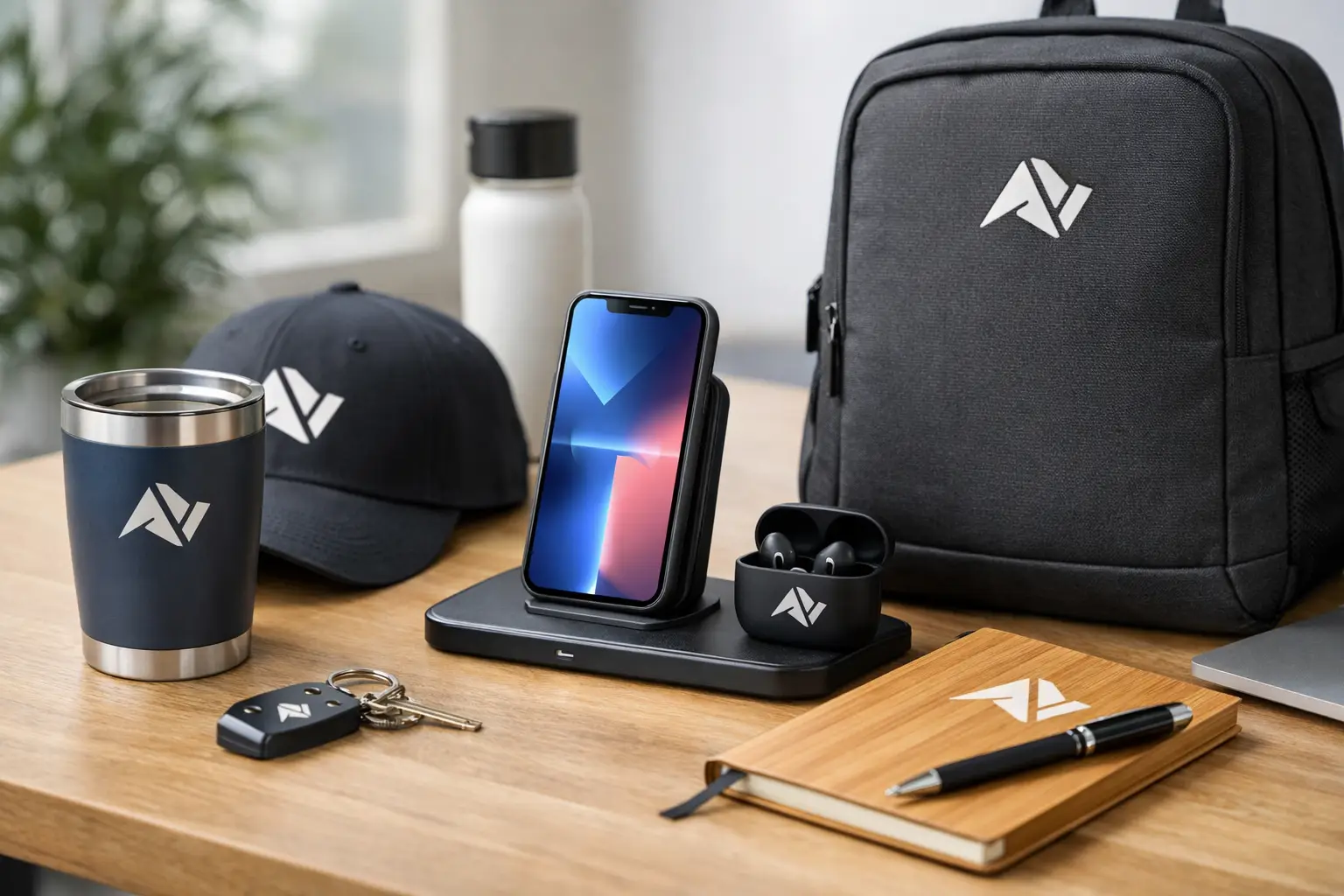
A logo on a giveaway is no longer enough. The promotional product trends making an impact are built around one practical question: Will the recipient actually use this? When an item earns a place on a desk, in a vehicle, at a job site, or in a daily routine, it keeps the brand visible long after an event or campaign ends.
For businesses and organizations, the goal is not to hand out the most products. It is to choose branded merchandise that reflects the quality of the organization behind it. A useful item, printed accurately and selected for the right audience, can make a stronger impression than a box of low-cost giveaways.
Promotional Product Trends Are Moving Toward Utility
Useful products continue to lead because they provide a clear reason for people to keep them. Drinkware, tote bags, notebooks, pens, apparel, phone accessories, and practical desk items remain popular for a simple reason: they fit into everyday life.
The difference is in the selection. A generic item may be inexpensive, but it can disappear quickly if it feels disposable. Better choices are products with a clear purpose for the specific audience. A contractor may value a durable insulated tumbler or a work shirt. A school fundraiser may get more use from a tote bag, water bottle, or spirit wear. A professional office may benefit from quality notebooks, presentation folders, and pens that reinforce a polished brand image.
Utility also depends on timing. Event merchandise should match the setting. Outdoor events call for items that work outside, such as caps, reusable drinkware, sunscreen packets, or lightweight bags. Conference attendees often appreciate items that travel well and solve a small problem during a busy day. The best choice is rarely the trendiest product in a catalog. It is the item that makes sense for the people receiving it.
Fewer, Better Items Are Replacing Bulk Giveaways
Many organizations are shifting budget away from large quantities of low-value items and toward fewer products with more perceived value. This does not mean every campaign needs premium merchandise. It means the product should feel appropriate to the relationship.
A recruitment campaign, employee recognition program, client thank-you, or sponsor package often benefits from a product that feels considered. Embroidered jackets, quality hoodies, insulated mugs, branded backpacks, and curated event kits can create a lasting connection because they are not treated as throwaway items.
For high-volume public events, lower-cost products still have a role. Pens, decals, magnets, and simple handouts can be effective when they support a clear purpose. The trade-off is visibility versus longevity. A pen may reach hundreds of people quickly, while a well-made piece of apparel may create repeated exposure for years. A balanced campaign can use both: a broadly distributed item for reach and a more substantial item for staff, sponsors, clients, or contest winners.
Apparel Is Becoming More Intentional
Branded apparel has always been a dependable promotional tool, but expectations have changed. Recipients are more likely to wear clothing that fits well, feels comfortable, and uses a design they would choose even without the logo.
That has led to cleaner layouts, smaller logo placements, tone-on-tone embroidery, and designs that put the organization name in context rather than covering the entire garment. A logo on the chest, sleeve, or cap can look professional without feeling overly promotional. For some organizations, a larger graphic is exactly right, especially for sports teams, festivals, school spirit wear, and community events. The right approach depends on the audience and how the apparel will be used.
Fabric and decoration method matter as much as the design. Embroidery gives polos, jackets, caps, and workwear a finished, durable appearance. Screen printing can be a cost-effective choice for larger runs and bold artwork. For campaigns involving names, roles, or changing information, personalized apparel may be worth considering. Choosing the method early helps prevent surprises with color, placement, garment type, and turnaround time.
Brand Consistency Still Matters
A product may be useful and well-made, but it should still look like it belongs to your organization. Consistent logo use, accurate brand colors, readable type, and clear artwork help every item support the same professional image.
This is especially important when promotional products are ordered alongside business cards, brochures, signage, forms, or event materials. When the colors, messaging, and visual standards match, the entire campaign feels organized. When they do not, even a good product can look disconnected.
Responsible Materials Need Clear Value
Reusable and responsibly sourced products are gaining attention, but material claims alone do not make an item effective. A reusable bottle that leaks or a recycled tote bag that tears quickly does little for the environment or the brand. Durability is part of responsible purchasing because the product must stay in use.
Products made from recycled materials, reusable alternatives to single-use items, and goods with reduced packaging can be strong choices when they fit the campaign. The key is to be specific and realistic. If sustainability is central to your organization, choose products whose materials and sourcing information can be clearly communicated. If it is not the central message, a durable, useful item with less waste may still be the better decision.
Avoid choosing a product solely because it carries an environmental label. Consider its quality, expected lifespan, printing surface, and whether the recipient will genuinely want it. A practical product that gets used repeatedly often creates more meaningful value than a novelty item with a well-intended claim.
Personalization Makes Merchandise More Relevant
People keep items longer when they feel personal. That does not always require printing an individual name on every product, although personalized drinkware, notebooks, apparel, and awards can be highly effective for employee recognition or client gifts.
Personalization can also mean tailoring merchandise to a role, event, location, or audience segment. A welcome package for a new employee may include branded office essentials and apparel. A tournament package may include participant gear and sponsor items. A nonprofit donor event may call for a useful keepsake that recognizes support without feeling overly commercial.
Variable data printing can extend this approach to the paper pieces that accompany merchandise. Personalized invitations, labels, cards, certificates, and direct-mail components make a promotional item feel like part of a complete, well-planned experience rather than an isolated giveaway.
Event Kits Are Replacing Single Products
For grand openings, staff appreciation, trade shows, conferences, and community events, coordinated kits are becoming more common. Rather than placing one item on a table, organizations combine a few useful pieces into a package with a clear purpose.
A simple kit might include a branded notebook, pen, and reusable drinkware. A more substantial employee kit could add apparel, a welcome card, and operational materials. The value is not just in the contents. It is in the presentation and consistency. A coordinated package makes the recipient feel acknowledged and gives the organization more opportunities to reinforce its identity.
This approach needs careful budgeting. Packaging, assembly, storage, and multiple decoration methods can add cost. It works best when the audience is defined and the kit supports a meaningful moment, such as onboarding, sponsorship recognition, seasonal gifting, or a major event. For a casual giveaway, one excellent product may be more effective than several average ones.
How to Choose Products That Fit Your Campaign
Before selecting merchandise, start with the outcome you want. Are you trying to create event traffic, recognize staff, thank clients, support a fundraiser, equip a team, or keep your name visible in the community? The answer should guide the product, quantity, quality level, and distribution method.
Then consider who will receive it and where they will use it. An item for office professionals will differ from one for families at a community event or crews working outdoors. Think about how long the product should last, whether it needs to travel, and how much logo visibility is appropriate. Finally, allow enough time for artwork review, product availability, decoration, and delivery. Planning early provides more choices and better control over the finished result.
Noran Printing helps organizations bring these decisions together by coordinating promotional goods with commercial printing, apparel decoration, signage, and event materials. Working with one dependable print partner makes it easier to maintain color accuracy, manage timelines, and ensure every piece represents the organization well.
The strongest promotional products are not the loudest or the cheapest. They are the items people reach for again, notice without being asked, and associate with a business or organization that took the time to choose well.