A new brochure can look excellent on screen and still disappoint when it arrives with an off-brand blue, flimsy stock, or an unexpected fold line through important copy. That is why choosing a Kamloops print shop is about more than finding someone who can put ink on paper. It is about finding a production partner that understands how your materials will be used, who will see them, and what they need to accomplish.
For a local business, school, nonprofit, or event organizer, print is often part of the daily operation. It may be the estimate form your team uses in the field, the menu handed to a customer, the event banner that has to be ready before setup, or the embroidered apparel that makes staff easy to identify. Reliable printing protects your professional image while making routine work easier.
A Kamloops Print Shop Should Start With Your Purpose
The right product is not always the most expensive option, and the fastest turnaround is not always the best value. A good print partner begins by asking practical questions: What is this piece meant to do? How long does it need to last? Will it be mailed, displayed, handled often, or written on?
A business card, for example, needs to feel substantial and keep important details readable at a glance. A door-hanger campaign may need a different stock, finish, and quantity than a premium presentation folder for a sales meeting. A construction company ordering work orders has different priorities than a restaurant updating seasonal menus.
Those choices affect cost, durability, and results. When the goal is clear first, the format, paper, finishing, and quantity become easier to recommend. This is where local, hands-on service matters. Instead of guessing from an online product menu, you can work with people who understand the trade-offs and can help prevent an expensive reprint.
Look for Consistency Across Everyday Business Printing
Most organizations depend on a core set of paper-based materials. These items may not be flashy, but inconsistent printing can make an otherwise well-run operation look disorganized. Your letterhead should match your business cards. Your envelopes should align with your invoices. Your brochures, flyers, and presentation folders should use the same approved logo colors.
A capable print provider should be able to manage recurring essentials such as business cards, letterheads, envelopes, invoices, forms, labels, booklets, newsletters, posters, menus, and brochures. The benefit is not simply convenience. It is brand control.
When several departments, locations, or staff members place orders, approved files and specifications help eliminate the small variations that build up over time. The logo should not shift in size from one order to the next. The correct contact information should appear on every form. A regular print partner can maintain those details and make repeat ordering more dependable.
For organizations using numbered forms, personalized letters, membership notices, or direct mail, variable data printing can be especially valuable. It allows names, addresses, codes, or other details to change from one piece to the next while the overall design remains consistent. This can save administrative time and make communications more relevant to each recipient.
Color Accuracy Is a Business Detail, Not a Luxury
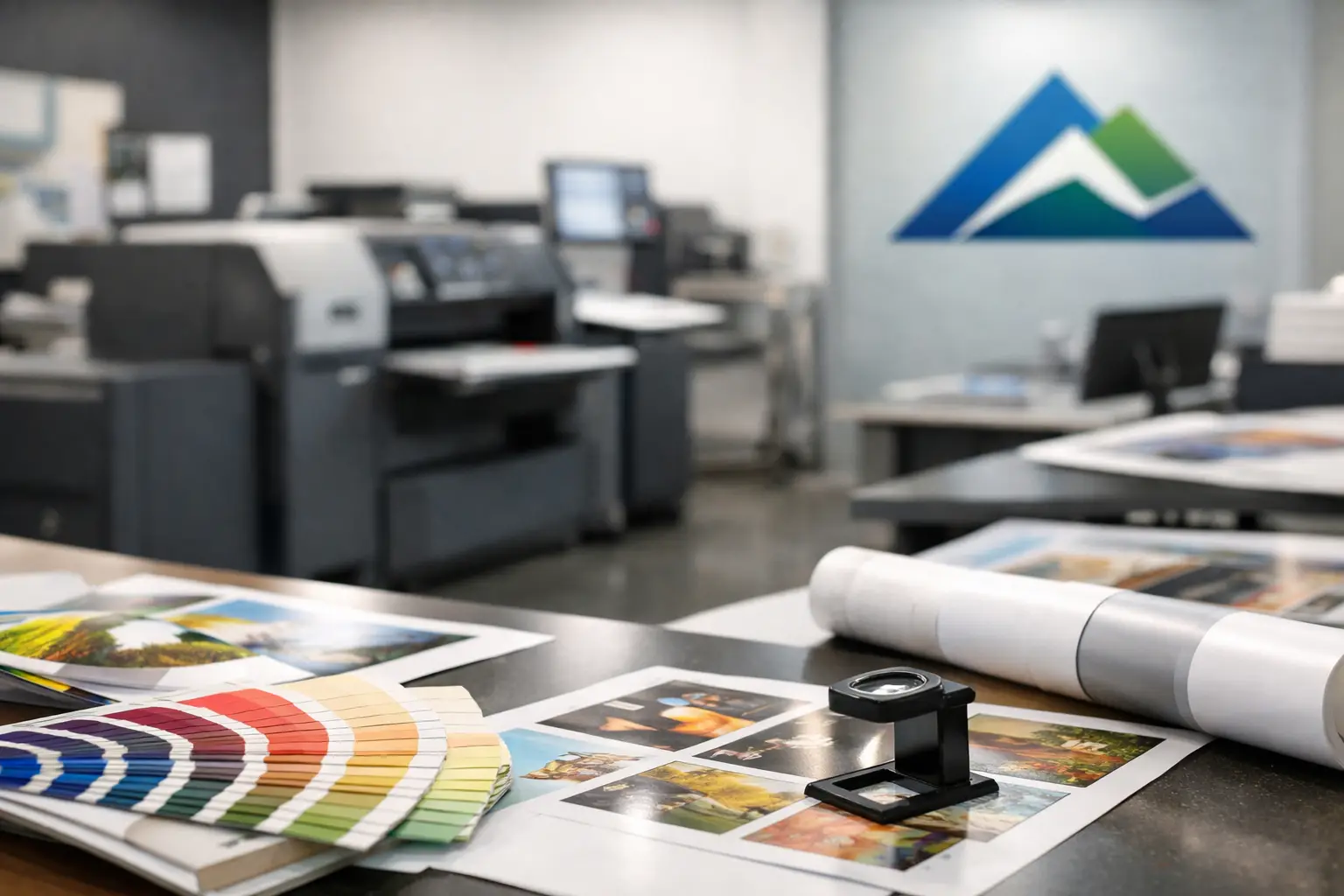
Color is one of the first things people notice, particularly when it represents your brand. A slightly different shade may seem minor until it appears beside older signage, uniforms, packaging, or marketing materials. High-quality digital press technology, careful file preparation, and quality control all play a role in producing dependable results.
That said, color matching depends on the material and process. Color printed on uncoated paper will not appear exactly the same as color on glossy stock, fabric, vinyl, or a computer screen. A knowledgeable printer will explain those differences before production and recommend proofs or samples when a specific color is critical.
Choose One Partner for More Than Paper
Businesses rarely need only one kind of printed item. A campaign might include postcards, posters, window graphics, staff shirts, trade-show materials, and promotional products. Ordering each component from a different supplier can create unnecessary delays, inconsistent branding, and more work for the person coordinating the project.
A full-service print shop brings these needs together. Along with commercial printing, look for large-format printing, digital signage, custom promotional items, embroidery, and screen printing. The advantage is a more coordinated final result. Your event banner can use the same approved artwork as the giveaway pens, volunteer shirts, and printed programs.
There are still cases where a specialized product may require a particular material, process, or lead time. No printer should promise that every job has the same solution. The value of a one-stop shop is having a knowledgeable team assess the project, manage the moving pieces, and give you straightforward guidance on what will work best.
Apparel Requires a Different Kind of Planning
Branded apparel is a good example. Embroidery offers a durable, professional finish for polos, jackets, hats, and workwear. It is often a strong choice for smaller logos and garments that will be worn regularly. Screen printing is generally well suited to larger graphics, team apparel, event shirts, and higher-quantity orders.
The right choice depends on the artwork, fabric, garment color, order size, and intended use. Fine details can reproduce differently in thread than in ink. A local team can help confirm logo placement, thread colors, garment sizing, and production timing before the order goes ahead. Those steps are particularly helpful when apparel is tied to a staff rollout, tournament, fundraiser, or community event date.
Turnaround Should Be Planned, Not Assumed
When a deadline is close, it is tempting to focus only on who can finish first. But turnaround includes more than press time. Artwork approval, file corrections, stock availability, finishing, delivery, and pickup all affect when a job is truly ready.
A dependable printer will give you a realistic production timeline and flag any risks early. If a brochure needs folding, a booklet needs binding, or a sign requires special finishing, those requirements should be part of the schedule from the beginning. Clear communication is more useful than an optimistic promise that changes at the last minute.
Planning recurring materials also reduces rush charges and pressure. If you know an annual event needs posters, sponsor packages, shirts, and programs, start the conversation while there is still time to review proofs and choose the right materials. For operational print, reorder points can keep forms, labels, and stationery from becoming an urgent problem.
Bring the Right Information to Your Print Project
The quality of the final piece starts with the information provided at the start. You do not need to be a print expert, but a few clear details make it easier to quote and produce your job accurately. Share the finished size, quantity, deadline, intended use, and whether you have a print-ready file or need design support.
If you are supplying artwork, use high-resolution images and provide original logo files when possible. A low-resolution image pulled from a website may look acceptable on a phone but become blurry when printed large. Fonts, bleeds, trim areas, folds, and safe margins also matter. If those terms are unfamiliar, ask before submitting the file rather than after production begins.
It also helps to mention previous materials you want to match. Bring in a sample, describe the stock or finish, and point out what worked or did not work. This gives your printer context that a file alone cannot provide.
Local Service Makes Repeat Work Easier
For many organizations, the best printing relationship is built over repeated projects. A local provider learns your brand standards, common order sizes, preferred materials, and seasonal deadlines. You spend less time explaining the same details and gain a contact who can spot potential issues before they become costly.
Noran Printing supports businesses and organizations with that kind of practical, full-service approach, from everyday commercial print to branded apparel, signage, and promotional materials. The goal is not to make every project complicated. It is to make sure every finished piece is accurate, professional, and ready for its job.
Before placing your next order, consider the moment when the item reaches its audience. Whether it is handed across a counter, mailed to a prospect, worn by your staff, or displayed at a community event, it should give people confidence in the organization behind it.