A business needs 250 brochures for a trade show next week, 40 updated menus by Friday, and personalized mailers with different names and addresses. That is where the question what is digital printing services becomes practical, not theoretical. Digital printing gives businesses a fast, flexible way to produce professional materials without the long setup that comes with traditional offset printing.
What is digital printing services?
Digital printing services refer to printing methods that transfer a digital file directly to a press or printer, then onto the finished material. Instead of creating printing plates, the equipment reads the artwork file and produces the job from that digital source.
For businesses, that matters because it shortens setup time and makes smaller runs more cost-effective. If you need a short batch of flyers, updated forms, event programs, labels, booklets, or variable data mail pieces, digital printing is often the right fit. It is built for speed, accuracy, and flexibility.
At a practical level, digital printing is used for many of the day-to-day items companies rely on – business cards, brochures, newsletters, invoices, presentation folders, posters, menus, and promotional handouts. It can also support larger operational needs like recurring forms, branded inserts, or campaign materials that need frequent revisions.
How digital printing services work
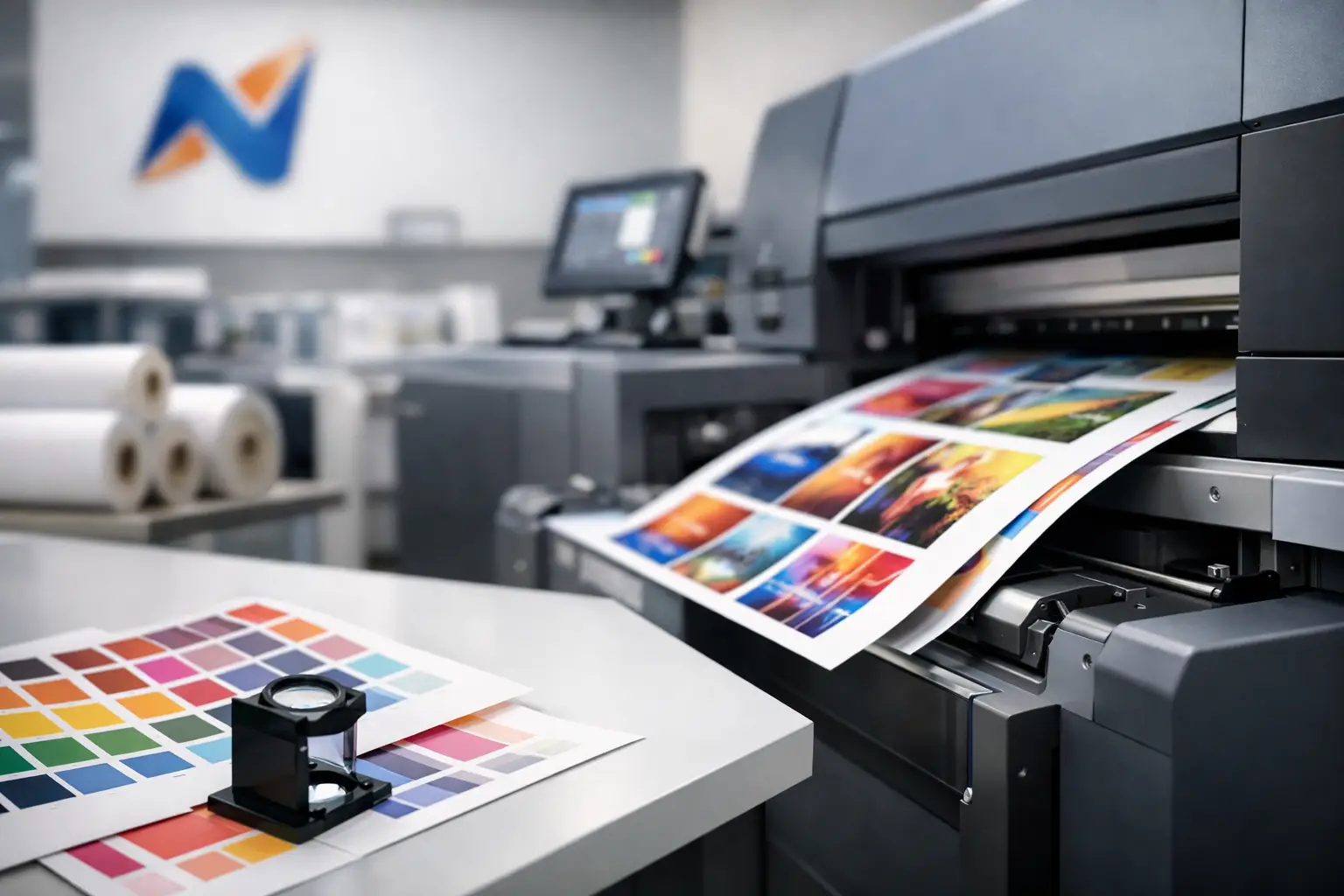
The process starts with a digital file, usually prepared as a print-ready PDF. That file is checked for layout, image quality, bleed, trim size, and color settings. Once approved, it is sent directly to a digital press.
The press applies toner or ink to the sheet based on the file data. Because there are no plates to build, the press can move from one job to another quickly. That is one reason digital printing is a strong choice for businesses that need quick turnaround or multiple small orders.
It also allows for easy versioning. A school may need the same event poster with different dates. A nonprofit may need donor letters personalized by name. A local business may need brochures updated after a price change. With digital printing, those file changes are far easier to manage than they would be in a conventional long-run process.
When digital printing makes the most sense
Digital printing is not simply the “fast option.” It is the smart option in specific situations.
If you are ordering lower quantities, digital usually offers better value. Traditional offset printing can be economical at high volumes, but it comes with more setup. For a short run, that setup can add cost and time that do not make sense.
Digital printing also makes sense when your content changes often. Menus, event materials, sales sheets, seasonal flyers, and internal business forms are common examples. If you are likely to update pricing, dates, contact information, or offers, printing only what you need now helps reduce waste.
It is also the preferred choice when personalization matters. Variable data printing allows each piece to change from one print to the next while the press keeps running. Names, addresses, account details, unique offers, or numbered forms can all be produced in a single job.
For many businesses, the biggest advantage is efficiency. You can order in realistic quantities, update materials as needed, and avoid tying up budget in boxes of outdated print.
What types of products use digital printing services?
Most business print buyers already use digital printing, whether they realize it or not. It is common across both customer-facing and operational materials.
Sales and marketing pieces are a natural fit. Brochures, flyers, postcards, booklets, rack cards, newsletters, and presentation materials are often produced digitally because they are ordered in moderate quantities and updated regularly.
Administrative print is another major category. Letterheads, envelopes, invoices, carbonless forms, labels, and business stationery can all be produced efficiently with digital equipment, especially when a company needs dependable reorders and consistent quality.
Digital printing is also useful for event and hospitality items like menus, table cards, programs, posters, and short-run signage. If an organization needs materials for a single event or limited campaign, digital keeps the order practical.
Even within a broader one-stop print environment, digital often handles the paper-based core of a client’s ongoing needs.
Digital printing vs. offset printing
This is where some nuance matters. Digital printing is excellent, but it is not automatically the best choice for every project.
Digital printing is generally better for short to medium runs, quick turnarounds, and jobs with variable data or frequent revisions. It reduces setup time and gives businesses more flexibility.
Offset printing tends to make more sense for very high quantities, certain specialty applications, and jobs where exact press matching across long runs is critical. Once setup is complete, offset can become more cost-effective at scale.
The decision often comes down to quantity, timeline, and how stable the content is. If you are printing 200 brochures for a current promotion, digital is likely the right call. If you need many thousands of identical pieces with no changes, offset may be worth considering.
A reliable print partner should help you choose based on the job itself, not force every project into the same production method.
The advantages of digital printing services for businesses
The biggest strength of digital printing is control. Businesses can print what they need, when they need it, without overcommitting to inventory.
Turnaround is usually faster because there is less setup involved. That helps when deadlines are tight, but it also helps with day-to-day operations. If your supply of forms is running low or your event date is approaching, speed matters.
Digital printing also supports strong quality. Modern digital press technology produces sharp text, clean graphics, and reliable color for a wide range of business materials. For many commercial applications, the output is more than capable of meeting professional standards.
Then there is personalization. Variable data printing makes digital especially valuable for direct mail, membership pieces, notices, and segmented marketing campaigns. Instead of one generic message, businesses can tailor content to the recipient.
Finally, there is less waste. You do not need to print 5,000 copies when 500 will do. That can improve budget use and reduce the frustration of storing outdated materials.
What to consider before placing a digital print order
The best results start before the press runs. File quality matters. Low-resolution images, incorrect page sizes, and missing bleed can all affect the finished product. If you are not sure whether your artwork is ready, it helps to work with a shop that reviews files carefully and catches problems early.
Paper choice matters too. A brochure on glossy stock will feel different from a booklet on uncoated text paper. A presentation folder needs durability. A menu may need a finish that stands up to repeated handling. Digital printing is not only about the image on the page. It is also about selecting the right stock, weight, and finish for the job.
You should also think about quantity realistically. Ordering too many copies can waste budget, but ordering too few may create rush reprints later. A good print provider can help balance cost, timing, and actual usage.
If personalization is involved, data accuracy is essential. Names, addresses, numbering, or versioned content should be reviewed closely before production begins.
Why local service still matters with digital printing services
Digital printing is driven by technology, but the service behind it still makes a real difference. Businesses do not only need a machine. They need guidance on format, stock, quantity, finishing, and deadlines.
That is especially true when multiple print needs overlap. A company may need brochures, envelopes, event signage, and branded apparel around the same launch. Working with one dependable print shop simplifies communication and improves consistency across the project.
For organizations in markets like Kamloops and surrounding communities, local service can also mean faster approvals, better accountability, and a partner who understands recurring business needs over time. That relationship matters when print is part of your regular operations, not just a one-time order.
Digital printing works best when it is paired with hands-on support, careful quality control, and production experience. That is why many businesses rely on full-service providers like Noran Printing rather than treating print as a generic commodity.
If you have been asking what is digital printing services, the simplest answer is this: it is a practical, high-quality way to produce the materials your business actually uses, in quantities that make sense, on timelines you can work with. The real value shows up when your print partner helps you make the right decisions before ink ever hits the page.