A postcard that arrives late, prints with the wrong offer, or lands in the wrong hands does more than waste budget. It makes your business look careless. That is why direct mail printing services matter most when the details are not glamorous – address accuracy, data handling, paper choice, turnaround time, and consistent print quality.
For many businesses, direct mail still earns its place because it puts a physical piece in front of a real customer without asking them to scroll, click, or hunt for your message. But good results do not come from sending mail for the sake of sending it. They come from planning the piece properly, printing it accurately, and making sure the mailing process is handled with the same care as the design.
What direct mail printing services should actually include
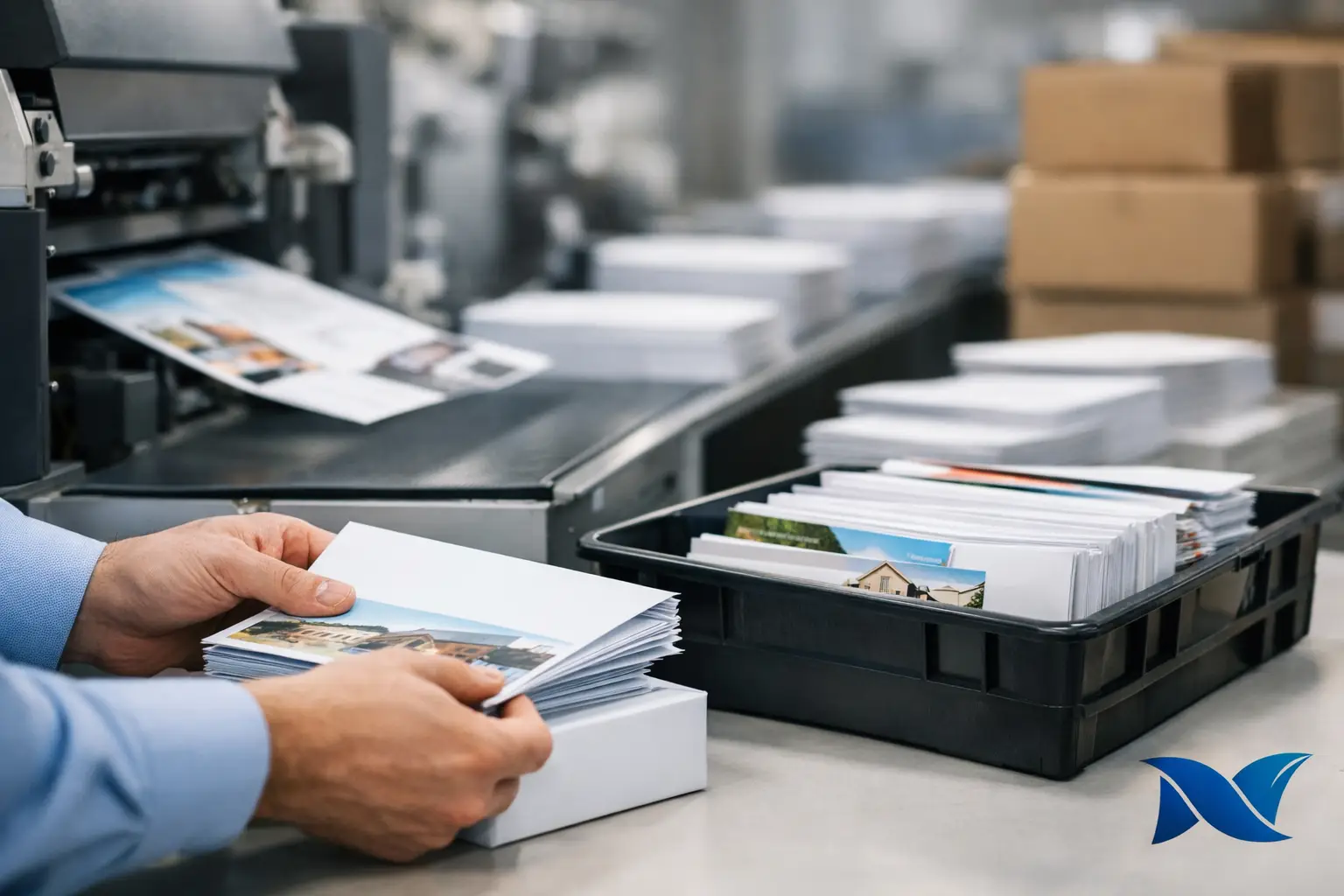
A lot of people hear the term and think it only refers to printing postcards or flyers. In practice, the job is broader than that. Direct mail printing services should support the full chain from file preparation through production and, in many cases, addressing and mailing setup.
That starts with the format. A campaign may call for postcards, self-mailers, folded brochures, letters with envelopes, newsletters, coupons, or variable-data pieces that change from one recipient to the next. The right print partner helps you match the format to the goal instead of forcing every campaign into the same template.
It also includes production guidance. Paper stock, coating, size, and finishing all affect cost, durability, and response. A glossy oversized card can stand out, but it may not suit every audience or offer. A simple matte postcard can feel more personal and may be easier to write on if you want a handwritten note or added personalization.
Then there is the data side. If your mailing list is incomplete, outdated, or poorly organized, even the best design will underperform. A dependable print provider should be able to work with customer data carefully, especially when variable names, addresses, codes, or personalized offers are involved.
Why print quality matters more in mail than people think
Direct mail has a short window to make an impression. The piece is handled, glanced at, and judged within seconds. If images look muddy, text appears cramped, or colors drift from your brand standards, the mailer can feel less trustworthy before the reader even reaches the headline.
That does not mean every campaign needs premium stock and heavy finishing. It means quality has to fit the purpose. A real estate announcement, nonprofit appeal, school notice, or retail promotion all have different expectations. The common requirement is consistency. Crisp printing, legible type, clean folds, and accurate color all help the piece feel professional.
This is where an experienced local print shop often adds practical value. When you can speak directly with the team producing the piece, problems get caught earlier. File issues, layout concerns, and stock questions are easier to solve before the job reaches the press.
Variable data printing changes the value of a campaign
Generic mail still has a place, especially for saturation campaigns or event promotion. But when you want stronger response, personalization usually matters. Variable data printing allows each piece to change based on the recipient. That might be as simple as printing a name, or as detailed as changing images, offers, locations, or messages by customer segment.
Used well, this makes direct mail feel more relevant. A restaurant can promote a neighborhood-specific offer. A school can send tailored information to different groups. A business can reference past service history or route customers to the nearest location. The result is often better engagement because the piece feels intended, not mass produced.
Of course, personalization also raises the stakes. If the data is wrong, the mistake is visible. That is why data review and proofing are not optional steps. A good provider treats them as part of quality control, not an extra chore.
Choosing the right format for your campaign
The best direct mail printing services are not built around one product. They are built around outcomes. If your goal is a quick promotional push, a postcard may be the most efficient option. It is easy to scan, cost-effective to produce, and suitable for retail offers, events, seasonal messages, and appointment reminders.
If you need more room to explain a service, folded brochures or self-mailers may work better. They give you space for details, photos, testimonials, or multiple calls to action. For more formal communication, a letter package with a branded envelope can still carry more authority than a flat card.
There are trade-offs. Larger formats can draw attention but cost more to print and mail. Heavier paper feels substantial but may not always improve response. More panels create space for content, but too much copy can dilute the message. The right choice depends on how much you need to say and how quickly the reader needs to grasp it.
Timing matters as much as the design
One of the most common mistakes in direct mail is treating production time as an afterthought. Mailing campaigns often have moving parts – artwork approval, list cleanup, variable data setup, printing, finishing, addressing, bundling, and delivery timelines. If any one step gets delayed, the entire campaign can miss its window.
That matters even more for seasonal promotions, event marketing, fundraising drives, and time-sensitive notices. A mailer that arrives after the registration deadline or after the sale ends is not just ineffective. It creates frustration.
Reliable scheduling comes from realistic planning. An experienced print team should be able to tell you what is feasible, where the risks are, and how early decisions need to be made to stay on track. Fast turnaround is valuable, but only if accuracy stays intact.
What businesses should ask before hiring a provider
If you are comparing direct mail printing services, ask practical questions. Can they handle variable data? Will they review your files before production? Can they help with sizing, stock selection, and mailing format decisions? What proofing process do they use? How do they manage repeat orders and version control?
You should also ask how they deal with consistency. Many organizations do not send one campaign and stop. They send monthly promotions, recurring notices, annual events, or multi-piece outreach over time. In those cases, consistency matters just as much as creativity. Your provider should be able to reproduce your brand standards, maintain organized files, and keep repeat orders efficient.
This is especially useful for busy offices and growing businesses that do not want to manage multiple vendors for print, forms, branded materials, and campaign support. A one-stop print partner reduces handoffs, saves time, and makes it easier to keep materials aligned.
When local support makes a real difference
Not every print job requires face-to-face service, but direct mail can benefit from it. Mailing projects often raise questions that are easier to resolve with a real conversation than a chain of tickets or automated emails. If you are deciding between postcard sizes, trying to stay within budget, or working through a customer data issue, responsiveness matters.
For businesses and organizations in Kamloops and nearby communities, having a local provider means the project is not moving through an anonymous system. It means you can work with people who understand your timeline, your market, and the importance of getting the job right the first time. That is part of why Noran Printing remains a dependable choice for organizations that want print quality and service under one roof.
Results come from more than printing alone
A successful direct mail piece usually does three things well. It reaches the right person, makes the message easy to understand, and gives the reader a clear next step. Printing is central to that, but it works best when paired with thoughtful planning.
That means keeping the offer focused, avoiding clutter, and making response easy. A discount, event invitation, service reminder, or announcement should be obvious at a glance. If the reader has to hunt for the purpose of the mailer, the piece is doing too much.
It also helps to think beyond one send. Some campaigns perform best as a sequence rather than a single drop. A reminder card, follow-up letter, or second-wave offer can improve results when the audience needs more than one touchpoint. The advantage of working with a capable print provider is that they can help keep those pieces coordinated, accurate, and on schedule.
The businesses that get the most from direct mail are rarely the ones with the flashiest design. They are the ones that treat print, data, timing, and execution as connected parts of the same job. When those pieces work together, direct mail stops feeling old-fashioned and starts doing what good marketing should do – show up clearly, professionally, and at the right moment.