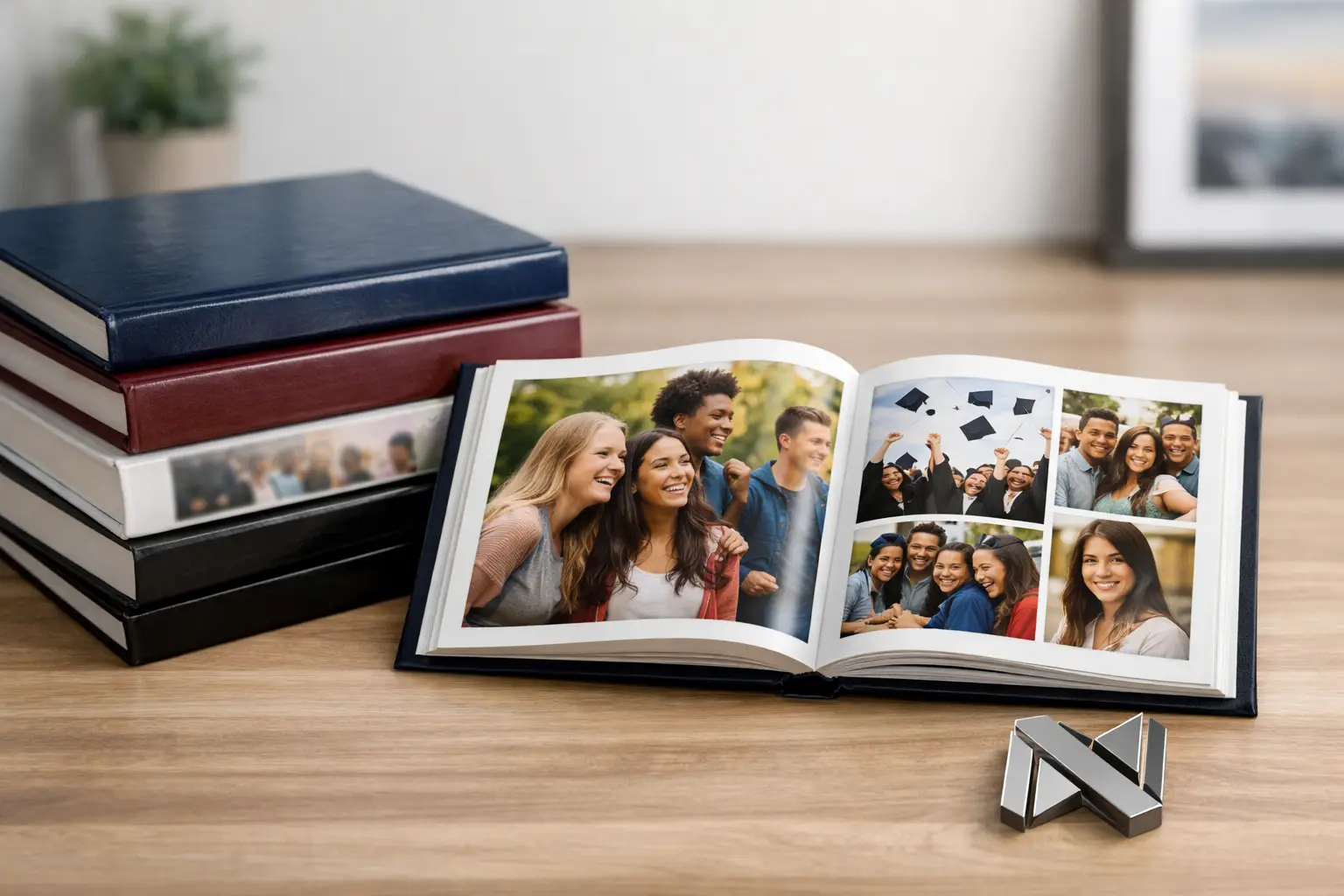
The boxes usually show up years later – in a closet, under a bed, or in the back room of an office. That is when year books prove what they were really made for. Not just a deadline, not just a school tradition, but a printed record people come back to because it still feels personal, clear, and worth holding onto.
For schools, clubs, sports groups, and community organizations, a yearbook is one of the few printed pieces that has to do two jobs at once. It needs to capture a moment and also stand up to real handling over time. That means the choices behind it matter more than many people expect. Paper stock, image quality, page count, layout discipline, and production timing all shape whether the final book feels polished or rushed.
Why year books still matter
A lot of printed products are transactional. They inform, promote, or support operations. Year books are different. They carry memory, identity, and recognition. Students look for their friends. Parents look for milestones. Staff look for a record of a year that moved fast while it was happening.
That is exactly why quality matters. When a yearbook is thin, poorly bound, or built from low-resolution images, people notice right away. When it is well organized, readable, and printed cleanly, it becomes something people keep instead of something they flip through once and forget.
There is also a practical side to this. A yearbook is often one of the most visible print projects an organization produces. It reflects on the school, committee, or team behind it. If the book feels professional, the organization does too.
What makes year books successful
The strongest year books are not always the most elaborate. In many cases, the best ones are the most consistent. They have a clear structure, dependable image quality, and enough editorial control to keep the whole book from feeling scattered.
A successful yearbook usually starts with a realistic plan. That includes who is collecting photos, who is reviewing names, who is checking dates, and who has final approval. Without that structure, the project tends to become a rush near the deadline, and that is when errors slip through.
Content balance matters too. Some groups focus so heavily on portraits that the book loses personality. Others lean too far into candid photos and forget the value of clear identification and organized sections. The right mix depends on the audience, but most books benefit from having both. Formal sections help readers navigate, while candid coverage gives the book energy.
Good design is usually quiet
The best yearbook design does not fight for attention. It supports the content. Clean page templates, readable type, consistent spacing, and disciplined use of color make a big difference. A yearbook should feel lively, but not chaotic.
That is especially true when multiple people are contributing. Student committees, volunteer parents, coaches, and administrators may all have input, and each person naturally has a different idea of what looks good. A simple design system keeps the book unified even when content comes from many sources.
Print quality changes how the book is perceived
People may not use print terminology, but they recognize quality immediately. They notice sharp photos, solid ink coverage, sturdy covers, and pages that turn well. They also notice muddy images, flimsy stock, and binding that feels stressed before the book has even been opened a few times.
This is one reason local print guidance matters. A yearbook is not just a file on a screen. It is a physical product that needs the right setup before it goes to press. Resolution, bleeds, margins, and page order all affect the final result. Catching problems early is always easier than fixing them at the end.
Planning year books without the usual last-minute panic
Most yearbook problems are not creative problems. They are scheduling problems.
The common pattern is familiar. The year starts with good intentions. Photos will be sorted monthly. Class lists will be updated regularly. Captions will be written as events happen. Then the busy season hits, and suddenly the deadline is close, files are incomplete, and someone is still waiting for roster changes.
A better approach is to treat the yearbook like any other production project. Build milestones around real decision points. Set an early date for portraits. Lock in section editors or internal contacts. Create a file naming system before photos start piling up. Decide who approves spelling for names and awards. Those small decisions prevent major delays later.
It also helps to decide early where flexibility matters and where it does not. You may be able to leave a few pages open for spring events, but you should not leave your cover design, page dimensions, or total count unresolved too long. The more variables that stay open, the more pressure builds at the finish line.
Choosing the right format for your audience
Not every organization needs the same kind of yearbook. A K-12 school, a graduating class, a youth sports association, and a community arts group all use the format differently.
Some need a traditional portrait-led book with faculty pages, student clubs, and event coverage. Others need a shorter commemorative book focused on highlights and sponsor recognition. Some organizations want a polished keepsake. Others need a more budget-conscious format that still looks professional and lasts.
That is why the best format depends on use, budget, and audience expectations. A heavier cover and upgraded paper may be worth it for a graduation-focused book people will keep for decades. For a smaller annual organization piece, it may make more sense to put the budget into better image reproduction and a clean binding instead of premium finishes.
There is no single right specification. There is only the right fit for the job.
Common mistakes that weaken a yearbook
Most yearbooks do not fail because of one big issue. They get dragged down by a series of avoidable small ones.
Low-quality photos are one of the biggest problems. Images pulled from text messages, screenshots, or social media often do not hold up in print. They may look acceptable on a phone, but once enlarged on paper, the softness becomes obvious.
Name errors are another issue people remember. A misspelled name, wrong caption, or missing student creates frustration that outlasts the excitement of release day. That is why proofing names should never be treated as a quick final step.
Overdesigned pages can also hurt the book. Too many fonts, crowded photo collages, and decorative backgrounds often make the content harder to read. What feels energetic on screen can feel cluttered in print.
Then there is the production timeline. Leaving no room for proof review is risky. Print projects benefit from one last careful check, especially when multiple sections, contributors, and photos are involved.
Why working with a local print partner helps
Yearbooks are easier to manage when the printer is accessible, responsive, and used to real-world deadlines. Questions come up. Files need checking. Quantities change. Someone wants to confirm stock, binding, or delivery timing. Local support makes those conversations faster and more useful.
That matters for schools and organizations that do not produce year books every day. Some teams know exactly what specs they need. Others need guidance on the practical side of setup and production. Both benefit from a print partner who can explain options clearly and flag issues before they become expensive or time-consuming.
For organizations in and around Kamloops, working with an established local shop can also simplify coordination. Instead of managing separate vendors or waiting on distant support channels, teams can deal with people who understand the timeline pressures and expectations of community-based projects. That kind of service is part of what makes a one-stop print provider valuable.
A yearbook should feel like it belongs to the people in it
That may sound obvious, but it is where many books either connect or fall flat. The strongest yearbooks reflect the culture of the group they represent. They do not rely on generic layouts and filler language to carry the project. They use real moments, real names, and real details that make the book specific to that year and that community.
That does not mean every page has to be packed with extras. It means the editorial choices should feel grounded. Which events mattered most? Which traditions defined the year? Which groups need to be seen clearly? Those questions shape a better book than trend-chasing design ever will.
A yearbook earns its value over time. People may buy it for the present, but they keep it for what it preserves. When the printing is solid, the organization is clear, and the content actually reflects the people it represents, it stops being just another school project and becomes something worth pulling off the shelf years from now.