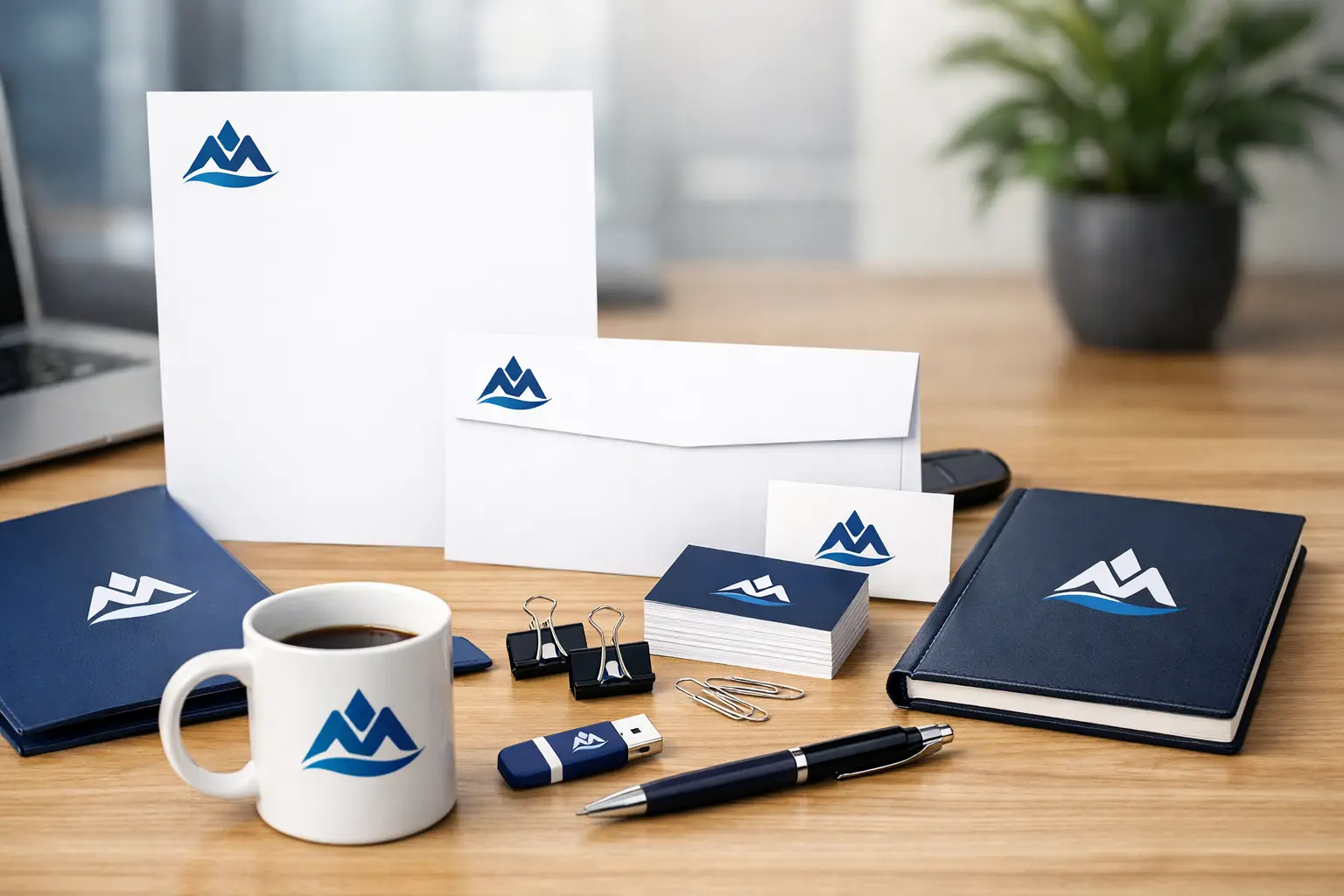
A client receives a proposal on crisp letterhead, replies using the address on the envelope, and later sees the same logo on an invoice. Those small touchpoints do real work for your business. Knowing how to order branded office stationery helps you create a professional, consistent experience without overordering materials that sit unused in a supply closet.
For many offices, stationery is not a one-time marketing purchase. It supports daily operations, from correspondence and estimates to internal forms, event materials, and presentation packages. A thoughtful order gives your team the right tools while protecting your brand standards and budget.
Start With the Materials Your Office Actually Uses
Before selecting paper stocks or requesting a quote, look at what moves through your office each month. A law office may rely heavily on letterhead, envelopes, and presentation folders. A contractor may need estimate forms, invoices, work orders, and labels. A school or community organization may require event letterhead, donation forms, folders, and printed name tags.
Start with the practical question: what does your staff print, write on, mail, hand out, or file? This keeps the order tied to actual business needs rather than a generic stationery package.
Common branded office stationery includes business cards, letterhead, envelopes, notepads, invoice forms, carbonless forms, mailing labels, folders, appointment cards, and memo pads. Not every business needs each item. Ordering only the pieces that support your workflow will make reordering easier and reduce waste.
It also helps to separate materials into two groups. Your core items are used year-round and should be kept on hand. Occasional items, such as event forms, seasonal cards, or special folders, can be ordered in shorter runs when needed.
Prepare Brand Files Before You Order
The quality of a stationery order begins with the artwork. Supply your current logo in a high-resolution, print-ready format whenever possible. Vector files such as AI, EPS, or PDF are ideal because they can be scaled without losing sharpness. High-resolution PNGs may work for certain applications, but screenshots and images pulled from a website usually do not produce clean printed results.
Along with the logo, provide your approved brand colors, fonts, and contact details. If your business uses a specific shade of blue or a particular logo version, make that clear from the start. Color can look different on a computer screen than it does on paper, so a dependable print partner will help you choose an appropriate color process and review the result before the full run is produced.
If your brand materials are outdated or inconsistent, pause before ordering a large quantity. A phone number, website address, staff title, or logo change can quickly turn thousands of printed pieces into obsolete inventory. It is often worth confirming the details with the people who use them most, including reception, accounting, sales, and operations.
Keep Essential Information Consistent
Your business name, logo placement, website, phone number, email address, and physical address should match across every stationery item. The design does not need to be identical on every piece, but it should clearly belong to the same organization.
This matters most when different departments place orders. A shared brand file folder and a short set of usage rules can prevent old logos, mismatched colors, or unapproved layouts from entering circulation.
Choose Formats That Match the Job
The right stationery format depends on how it will be used. Letterhead needs enough writing space for correspondence, proposals, and notices. A busy full-color background may look impressive on screen but can make documents harder to read and more expensive to reproduce in-house.
For business cards, prioritize legibility. Include the contact information clients need and avoid making the card so crowded that key details disappear. A slightly heavier stock can create a strong first impression, but the best choice depends on your budget, the card’s purpose, and how often your team gives them out.
Envelopes should fit the documents you send. Standard #10 envelopes work for most business correspondence, while larger envelopes may be better for folders, booklets, or documents that should not be folded. Consider whether you need window envelopes for statements or invoices, return-address envelopes for reply mail, or envelopes printed with department-specific details.
For operational documents, function comes first. Invoice forms, purchase orders, and work orders should have room for the information your staff must capture. If a form needs multiple copies, carbonless sets may be the practical choice. Numbering, perforation, padding, and variable data can also save time and reduce manual errors.
Decide on Paper, Finishes, and Print Method
Paper choice affects appearance, durability, writing comfort, and cost. Uncoated stocks are a dependable choice for letterhead, forms, and notepads because they are easy to write on and work well with office printers. Coated stocks can add polish to business cards, folders, or promotional inserts, but they may not be suited to materials that need signatures or handwritten notes.
Weight matters too. A standard office sheet is appropriate for most letterhead and forms. Heavier text stock can make correspondence feel more substantial, while cover stock is commonly used for business cards and folders. Your printer can recommend options based on the item, the intended use, and the image you want to present.
Printing in full color is not automatically the best answer. A one-color or two-color design can be clean, professional, and cost-conscious, especially for high-volume forms or internal materials. Full color may be the better investment for client-facing folders, cards, and branded correspondence. The right approach depends on where the piece will be seen and how long it needs to last.
Set Quantities Based on Use and Change Risk
The lowest unit price often comes with a larger order, but ordering the largest possible quantity is not always economical. Stationery becomes outdated when staff members change, contact details are revised, services evolve, or a business refreshes its visual identity.
Review your past usage if you have it. If your office uses 100 letterhead sheets per month, a year’s supply may be reasonable. If business cards are assigned to a growing team or include individual names and titles, smaller batches may offer more flexibility.
Consider these four factors before setting quantities:
- How quickly your office uses each item
- Whether names, titles, addresses, or pricing details may change
- Available storage space and how materials will be organized
- The cost difference between short and longer print runs
For recurring forms and general letterhead, larger quantities can reduce reordering work. For personalized cards, temporary event materials, or anything likely to change, a smaller run often makes better business sense.
Proof Every Detail Before Production
A proof is your chance to catch mistakes while they are easy to fix. Review spelling, punctuation, phone numbers, email addresses, URLs, registration details, and staff titles. Check that the logo is sharp, the colors are appropriate, and the margins provide enough space for printing, folding, or writing.
Do not let one person carry the full responsibility for approval. Ask someone who was not involved in the design to review the proof. Fresh eyes regularly catch a transposed digit, missing suite number, or outdated employee title.
For complex forms, test the workflow as well as the design. Can staff complete it quickly? Does it fit in the required envelope? Will it feed properly through your office printer? If it has carbonless copies, are the copies in the correct sequence? A good proof process protects both your brand and your operations.
Plan Reorders Before You Run Out
Once your stationery is in use, keep a simple inventory record. Note the date ordered, quantity received, departments using it, and estimated reorder point. This is particularly useful for envelopes, letterhead, forms, and labels that can run out at inconvenient times.
Working with one local print provider can simplify this process. Noran Printing can keep your approved artwork and production specifications on file, making repeat orders more consistent and giving your team a knowledgeable contact when a form, quantity, or branded item needs to change.
Build a Reliable Ordering Routine
Assign one person or department to approve standard stationery orders, even if several teams submit requests. This helps maintain brand consistency and prevents duplicate or outdated versions from being printed. For larger organizations, a short internal order form can clarify quantities, delivery needs, personalization, and billing details before the request reaches the printer.
The most effective stationery does not call attention to itself. It simply makes every proposal, mailing, invoice, and handoff feel organized and credible. Start with the items your team relies on most, approve the details carefully, and create an ordering routine that keeps your business ready for the next opportunity.