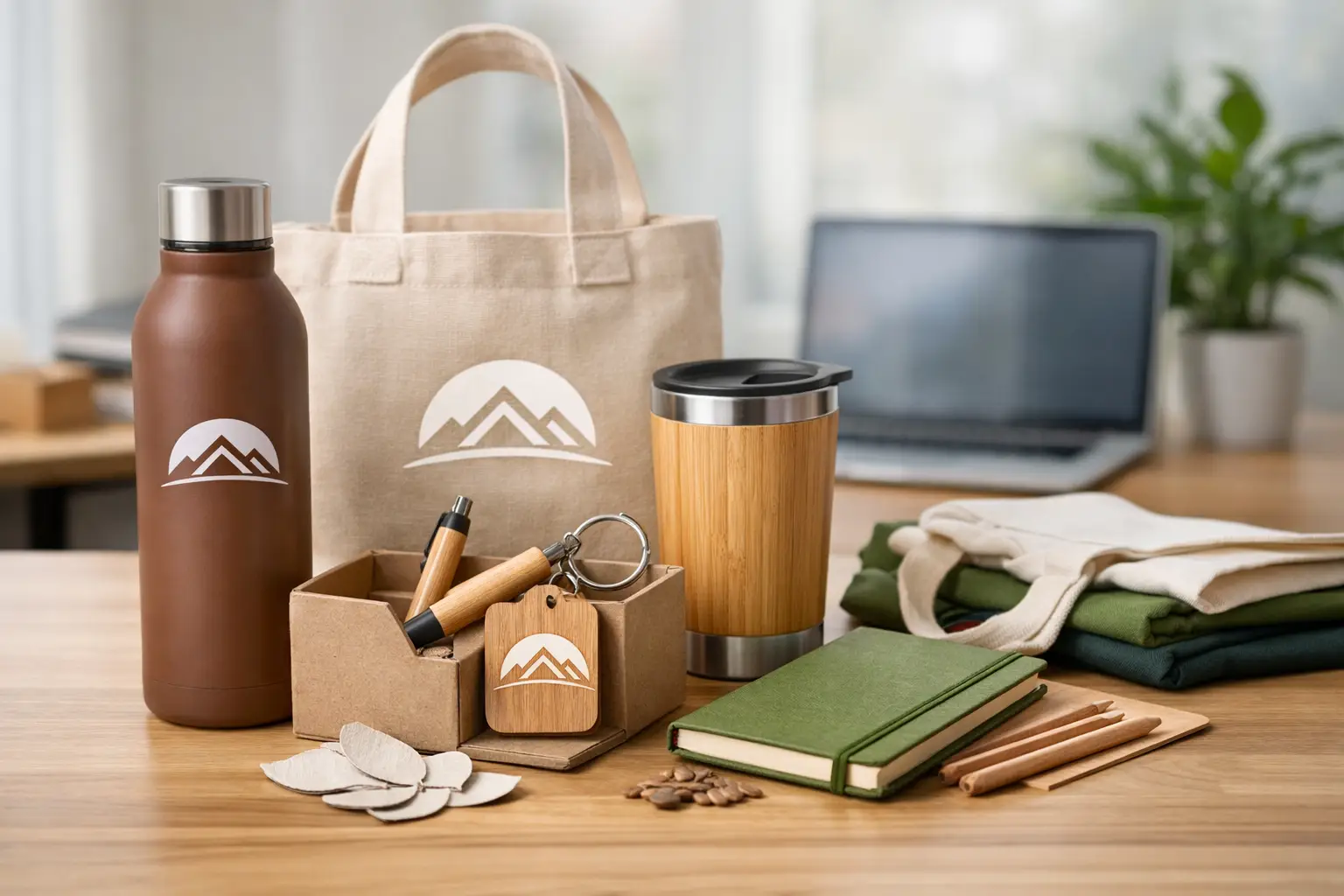
A box of promotional products should not become a box of leftovers in the storage room. The best branded items are useful, well-made, easy to distribute, and clearly connected to the people receiving them. Knowing how to order branded promo items starts with a practical decision: what do you need this item to accomplish?
For a community event, that may mean putting your name in attendees’ hands. For a construction company, it may mean durable apparel that keeps the crew looking consistent. For an office, it could be branded notebooks or pens that make daily interactions feel more professional. A little planning before production protects your budget and produces items people will actually keep.
Start With the Purpose, Not the Product
It is easy to begin with a catalog item: a mug, tote bag, pen, jacket, or water bottle. Start one step earlier. Decide who will receive the item, where they will use it, and what action or impression you want it to create.
A low-cost giveaway can work well for a busy trade show, open house, parade, or school event where you need a large quantity. In that setting, compact items such as pens, magnets, stickers, or reusable bags are practical because they are easy to carry and distribute. A client appreciation gift has a different standard. Fewer recipients and a longer relationship may justify a higher-quality insulated drinkware item, embroidered jacket, or gift set.
Consider the setting, too. Branded apparel for an outdoor team needs to suit the season and the work being done. A restaurant may benefit from staff shirts, menus, window signage, and loyalty materials that share a consistent look. A local nonprofit preparing for a fundraiser may need products that are affordable enough to sell or give away while still reflecting its cause professionally.
When the purpose is clear, the right product category becomes much easier to narrow down.
Choose an Item People Can Use
Promotional products earn their value over time. A useful item stays in circulation, keeps your business visible, and makes a better impression than something that feels disposable. That does not mean every order needs to be premium. It means the item should match the audience and the occasion.
Ask a few practical questions before selecting a product. Will the recipient use it at work, at home, while traveling, or outdoors? Is it something they are likely to carry? Does it fit the season? Is the quality appropriate for how your organization wants to be perceived?
For example, a pen can be an excellent choice when it writes smoothly and carries a clean, readable imprint. A tote bag is more useful when it has enough strength for groceries, event materials, or daily errands. Apparel can have a longer lifespan than many giveaways, but sizing, fabric, decoration method, and care requirements need more attention.
There is also a balance between broad appeal and relevance. A generic item may suit a large public event. A more specialized item can be more memorable when it directly supports the recipient’s work or interests. The best choice depends on whether you need reach, relationship-building, staff unity, fundraising support, or repeat visibility.
Set a Quantity That Makes Business Sense
Ordering too few can raise the per-item cost and leave you short for an event. Ordering far too many ties up cash and storage space. Your quantity should be based on distribution plans, not just the price break shown at a higher volume.
Begin with a realistic count. Review expected attendance, the number of staff members, customer traffic, or the size of your mailing list. Then add a reasonable buffer for late registrations, new employees, replacements, or unexpected demand. For size-based apparel, collect sizes whenever possible rather than guessing.
Price breaks do matter, especially for items used year-round. If you regularly attend events or provide employee merchandise, a larger order can be sensible. But it is worth checking whether the product, logo, contact details, or campaign message might change before the inventory is used.
A strong local print partner can help compare quantity options so you can see the difference between ordering for immediate needs and ordering for the next several months. That conversation often prevents both overbuying and last-minute reorders.
Prepare Artwork That Prints Clearly
Your logo may look sharp on a website or business card but need adjustment for a small imprint area. Promo products have physical limits: a pen barrel, a cap, a mug, and a jacket each offer different space, materials, and decoration options.
Whenever available, provide your logo as a vector file, such as AI, EPS, or a print-ready PDF. Vector artwork can scale without losing clarity and is generally the best starting point for screen printing, embroidery, and other professional decoration processes. High-resolution PNG files may be useful in some cases, but low-resolution screenshots and images pulled from social media rarely produce a clean result.
Keep the message focused. Your logo, website, phone number, or short tagline may all fit on some products, but trying to include every detail can make the design hard to read. On smaller items, a simple logo or a recognizable mark is often more effective.
Color selection matters as well. A light imprint may disappear on a pale product, while fine details can fill in on textured fabric or embroidery. If brand color accuracy is essential, discuss the product color and imprint colors before approving the order. A proof is the point to confirm spelling, placement, dimensions, colors, and all contact information. Review it carefully. Once production begins, changes can be costly or impossible.
Match the Decoration Method to the Product
The decoration method affects appearance, durability, cost, and the type of artwork that will work best. It should be chosen for the product and intended use, not simply because it is familiar.
Screen printing is a proven choice for many apparel items and flat products, particularly when ordering larger quantities with bold designs. It offers strong color coverage and can be cost-effective at volume. Embroidery creates a polished, textured finish that is well suited to polos, hats, jackets, uniforms, and other apparel where a durable professional look matters.
Digital printing can be a good option for detailed graphics, shorter runs, or variable designs, depending on the product. Engraving offers a more permanent, refined result on certain drinkware, awards, tools, and specialty items. Each process has trade-offs. Fine gradients, tiny type, color counts, fabric type, and imprint size can all influence the recommendation.
If you are ordering matching materials, think beyond one item. A coordinated set of embroidered staff apparel, branded notebooks, presentation folders, and event signage can create a more consistent appearance than unrelated products ordered at different times. Noran Printing can help bring those pieces together under one production plan.
Build Enough Time Into the Order
Promotional items are often ordered for a date that cannot move: a grand opening, tournament, conference, staff celebration, fundraiser, or seasonal campaign. Production time is only one part of the schedule. Artwork preparation, proof approval, product availability, decoration, shipping, and any changes all need time.
Begin the process as soon as the event date is confirmed. If you need custom apparel, allow additional time for size collection and approval. If the item is imported or in high seasonal demand, availability may affect the timeline. Popular holiday gifts, school spirit wear, and warm-weather event products can require earlier planning than expected.
Be clear about your in-hand date, not just the event date. You may need time to sort apparel by size, assemble packages, label gifts, or deliver materials to multiple locations. A realistic deadline helps your supplier recommend products that can be produced without sacrificing quality.
Confirm the Details Before You Approve
Before giving final approval, review the order as a whole. Confirm the product name, color, quantity, sizes, decoration location, imprint colors, artwork version, and delivery or pickup arrangement. If the item includes variable information, such as employee names, mailing details, or individual numbers, verify the data file as carefully as you verify the design.
It is also smart to ask about care instructions for apparel and drinkware, especially if the products will be used frequently. Proper care protects the printed or embroidered finish and helps your investment last longer.
Good promotional products do more than display a logo. They support your team, strengthen recognition, and give customers a useful reminder of the organization behind the item. Bring your goal, timeline, and available artwork to the conversation, and you will be in a strong position to order with confidence.