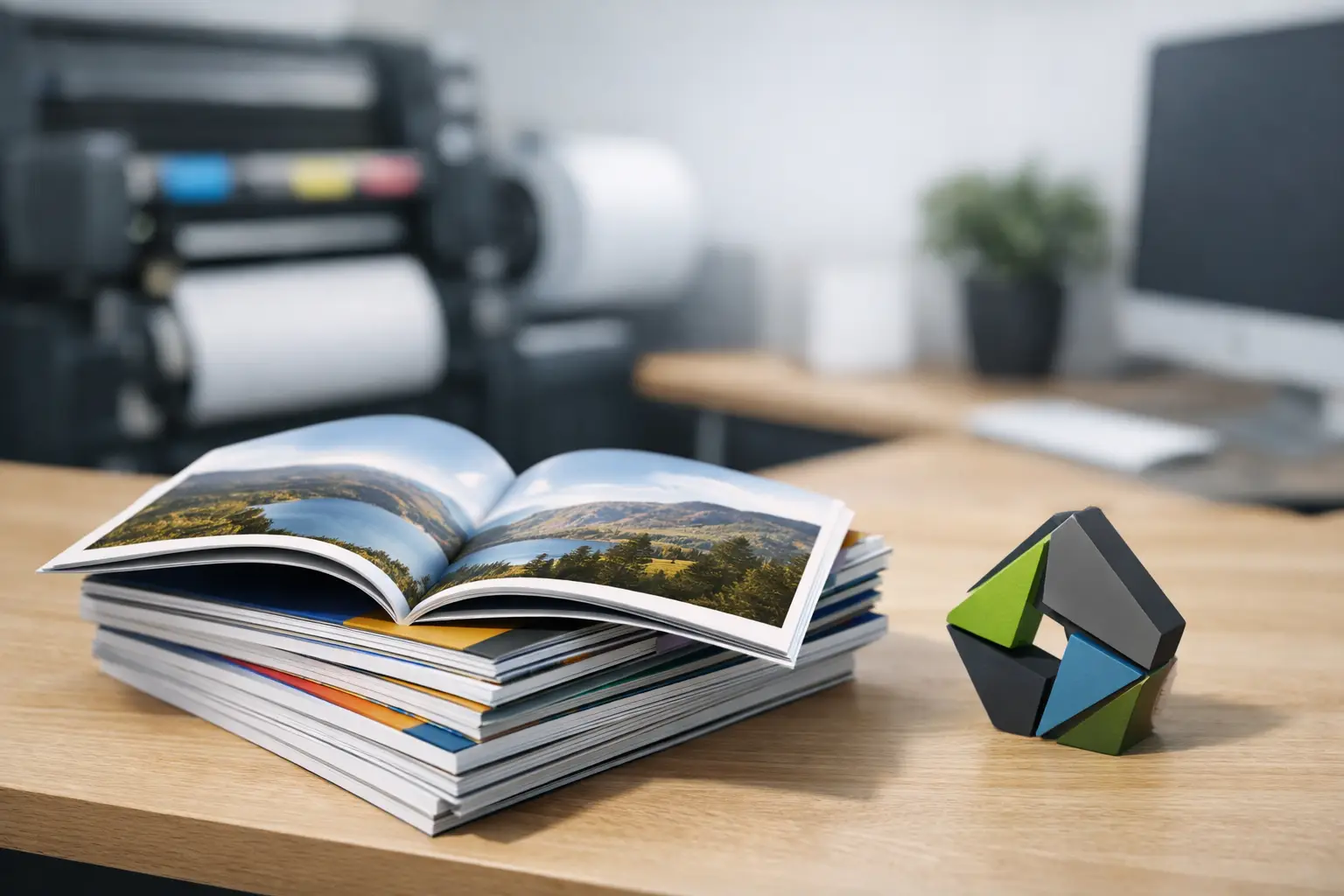
A booklet usually shows up when the stakes are higher than a one-page handout. It might be a product catalog that needs to feel polished in a sales meeting, an event program that has to be easy to follow, or an annual report that represents months of work. That is where kamloops booklet printing services matter most – not just in putting ink on paper, but in helping businesses and organizations choose a format that fits the job, the budget, and the timeline.
What good booklet printing actually solves
A well-printed booklet does two things at once. It organizes information clearly, and it gives the reader confidence in the business or organization behind it. If the pages are misaligned, the colors drift, or the stock feels too thin for the purpose, people notice. They may not comment on it directly, but it affects how your message is received.
That is why booklet printing is rarely just a design decision. It is an operational one. Office managers need quantities that make sense. Marketing teams need consistent brand presentation. Schools and community groups often need practical guidance on paper choice, binding, and delivery dates. A dependable print partner helps remove guesswork before a project reaches the press.
Kamloops booklet printing services for different kinds of projects
Not every booklet should be produced the same way. The right setup depends on how it will be used, who will read it, and how long it needs to last.
For short event programs, saddle-stitched booklets are often the simplest and most cost-effective choice. They are easy to flip through, easy to stack, and work well for performances, conferences, church events, and graduations. If the page count stays within a practical range, this format keeps production efficient without making the finished piece feel cheap.
For training manuals, policy guides, or reference documents that will be used repeatedly, durability matters more. Heavier interior stock or a sturdier cover can make a noticeable difference. In some cases, a more substantial binding style may be worth considering, especially if the booklet needs to hold up in an office, classroom, or field environment.
Sales booklets and product guides sit somewhere in the middle. They need to look professional enough for customer-facing use, but they also need to be ordered in quantities that make sense for ongoing distribution. This is where local guidance matters. It is easy to overbuild a booklet and drive up cost, just as it is easy to underbuild it and end up with something that does not represent your business well.
Choosing the right booklet format
The most common mistake in booklet printing is starting with page size before thinking about purpose. A standard size may be fine, but format should support how the reader will use the piece.
If the booklet will be handed out at a trade show or sales call, portability matters. A smaller format may be easier to carry and less expensive to print. If it needs room for charts, schedules, menus, maps, or detailed product information, a larger page size can improve readability and reduce clutter.
Page count also affects production. Booklets are built in page multiples, and that has a direct impact on layout planning. If your file lands just a few pages over an efficient count, small design adjustments may save money without sacrificing content. That is the kind of practical advice experienced print shops provide early, before a project turns into a rush fix.
Paper stock, finish, and why they matter
Paper choice changes the feel of a booklet more than many buyers expect. A glossy stock can make photos and bold graphics stand out, which works well for promotional and visual pieces. An uncoated stock can feel more natural and is often easier to write on, making it useful for workbooks, meeting materials, and educational content.
Cover stock deserves separate attention. A booklet cover takes most of the handling, so even a modest increase in weight can improve durability and presentation. At the same time, there is no benefit in choosing the heaviest option if the booklet is intended for one-time use. Good printing decisions are not about using the most expensive materials. They are about matching the materials to the job.
Color consistency matters too. Branded materials should feel like they belong with your other printed pieces, from brochures and folders to signage and forms. If your organization uses established colors, logos, and layouts across multiple products, quality control becomes more important with every reorder.
Turnaround, quantities, and planning ahead
Most booklet jobs involve at least one competing pressure: budget, deadline, or quantity. Sometimes all three show up at once. The best results usually come when the project is planned with enough lead time to review proofs, confirm counts, and make small corrections before production.
That said, real business does not always run on ideal timelines. Events shift. Meeting dates change. Internal approvals arrive late. A print partner with strong production capability can often help recover lost time, but speed should not come at the expense of accuracy. A rushed booklet with pagination issues or incorrect content costs more than the time saved.
Quantity planning is another area where experience pays off. Ordering too few can create expensive reprint situations. Ordering too many can leave boxes of outdated material in storage. The right number depends on the use case. A seasonal menu, event booklet, or admissions packet has a different shelf life than a training guide or a long-term product directory.
Why local service still matters
Booklet printing is one of those services where local access can make a project easier from start to finish. When questions come up about paper, binding, file setup, or delivery timing, it helps to speak with a team that understands the job and can respond quickly. That is especially valuable for repeat orders, branded materials, and projects with several moving parts.
For businesses and organizations in Kamloops, working with a local print shop can also simplify related needs. A booklet may be only one part of a larger order that includes posters, flyers, presentation folders, signage, or promotional materials. Managing those items through one provider saves time and reduces the risk of mismatched branding or production delays between vendors.
That one-source approach is part of what makes a full-service shop useful beyond a single job. If your booklet project includes personalized elements, inserts, updated sections, or companion pieces for an event or campaign, it helps to have those capabilities under one roof. Noran Printing serves many local customers this way – as an ongoing print partner, not just a one-time vendor.
How to get better results from your booklet order
The strongest booklet projects usually begin with a few simple decisions made early. Start with the purpose of the piece, then work outward. Who is reading it? How long does it need to last? Is this a leave-behind sales tool, an internal reference document, or something people will use for one event only?
Once the purpose is clear, the format becomes easier to define. From there, paper, finish, and quantity can be selected based on real use instead of guesswork. If budget is a concern, ask where adjustments will have the least impact. In many cases, there are smart ways to control cost without reducing professionalism.
It also helps to prepare clean files and final content before production begins. Last-minute edits to page order, image quality, or bleeds can create delays that have nothing to do with the press schedule. A good print team can flag issues, but the smoother the handoff, the smoother the job.
A booklet should feel like it belongs to your brand
A booklet does not need to be flashy to be effective. It needs to be clear, well made, and appropriate for the audience receiving it. When the size, stock, print quality, and finishing all line up with the purpose, the piece feels trustworthy. That is what people remember.
If you are ordering booklets for your business, school, event, or organization, the right approach is usually the practical one: choose a format that works, a quality level that fits the use, and a print partner that can guide the details without complicating the process. The finished piece should make your next conversation easier, not create more work after it arrives.