When you are ordering 500 brochures, 2,000 envelopes, or a full run of presentation folders, print quality stops being a small detail and starts affecting how your business is seen. That is where offset printing services still stand out. For many organizations, offset remains the smartest choice when consistency, crisp detail, and cost control matter across a larger quantity of printed pieces.
Digital printing gets plenty of attention because it is fast and flexible. That matters. But offset printing continues to be the standard for many commercial print jobs because it produces reliable results at scale. If your business depends on polished printed materials that need to look the same from the first sheet to the last, offset is often the better fit.
What offset printing services are designed to do
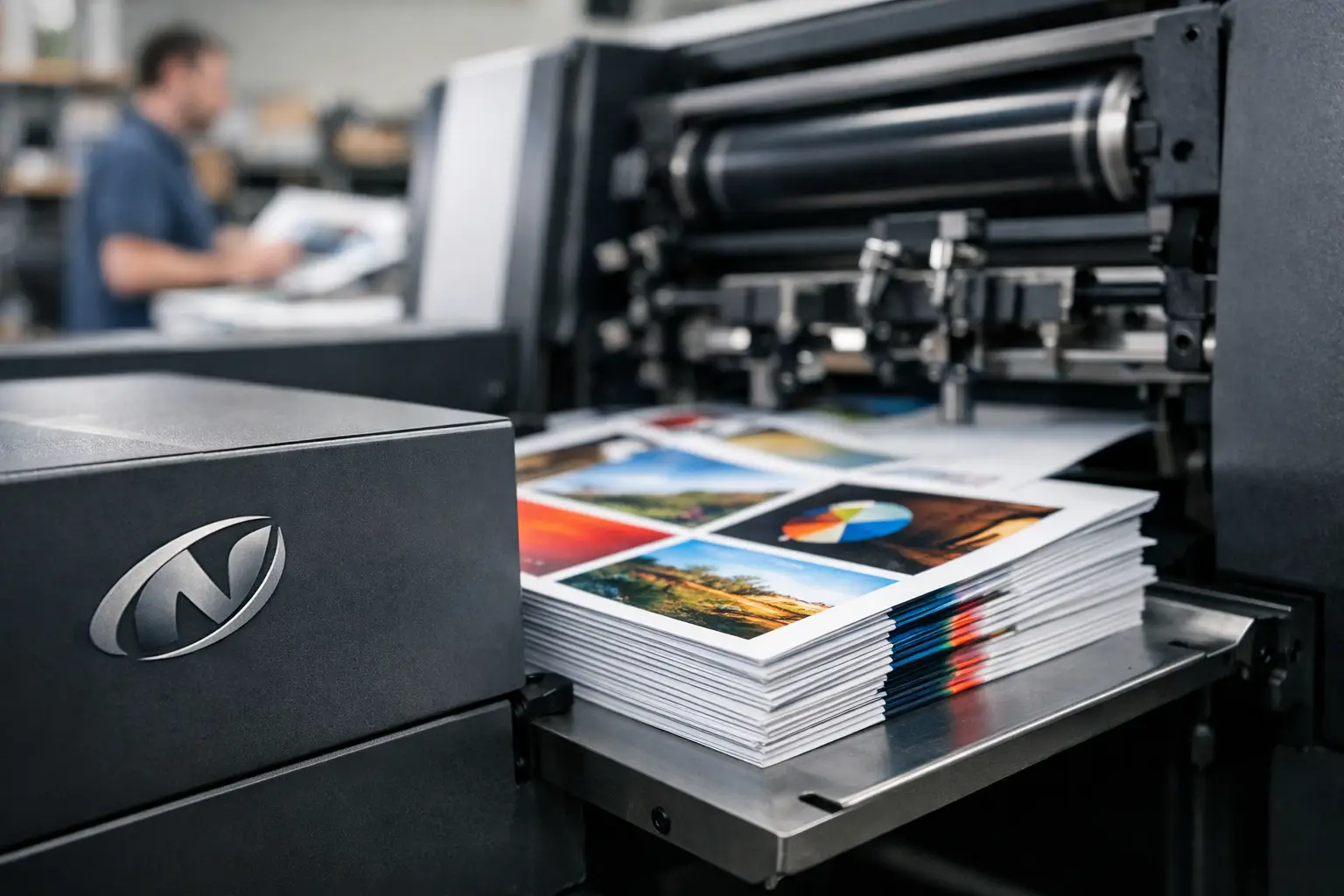
Offset printing uses metal plates and rubber blankets to transfer ink onto paper. That process is not new, but it remains effective for a reason. It delivers stable color, strong image reproduction, and clean text across long runs.
For business buyers, the value is practical rather than technical. You want invoices that line up properly, brochures with consistent brand colors, and letterhead that feels professional every time it leaves the office. Offset printing is built for that kind of repeatable performance.
It is especially well suited to products such as business cards, envelopes, forms, newsletters, flyers, booklets, and folders. These are the kinds of pieces businesses reorder regularly, and they often need to match previous runs closely. Offset gives you more control over that consistency than most short-run methods.
When offset printing services make the most sense
Not every project needs offset. That is the first thing a good print partner should tell you. If you need a small run, a rush order, or variable data such as personalized names and addresses, digital may be the better route.
Offset starts to make more financial and visual sense when the quantity increases. There is upfront setup involved, so very short runs can cost more per piece. As volume goes up, the unit cost typically comes down. That makes offset a strong option for organizations ordering in bulk or planning ahead for recurring use.
There is also the question of appearance. Some projects simply benefit from the look and feel of offset print. Solid areas of color, detailed graphics, and fine typography often reproduce more cleanly with offset, especially on premium stocks. If the final piece represents your brand in a boardroom, at a front desk, or in a direct mail campaign, that difference can matter.
The real advantages of offset for business printing
The most obvious advantage is consistency. A larger print run needs to hold the same standard from beginning to end. Offset presses are designed to maintain that standard, which is why the method is still widely used for commercial printing.
Color accuracy is another key benefit. Brand colors are not decorative for most businesses. They are part of recognition and trust. Offset printing allows for tighter color control, and it also supports specialty inks when exact matching is important.
Paper choice is another reason buyers choose offset. Many offset presses handle a broad range of paper stocks and finishes, which gives you more room to choose a sheet that suits the job. A restaurant menu, a corporate booklet, and a sales flyer do not all need the same paper. Offset gives you options without compromising print quality.
Then there is cost efficiency at scale. Once setup is complete, larger runs become economical. If you are ordering enough pieces to justify the press setup, offset can offer a lower per-unit cost than digital.
Where businesses sometimes choose the wrong method
A common mistake is assuming the fastest option is always the best option. If you need 100 flyers for tomorrow morning, speed should probably lead the decision. If you need 10,000 flyers for a campaign next month, the better question is which method gives you the right balance of quality, price, and consistency.
Another mistake is focusing only on the upfront quote. A cheaper print job is not always cheaper if the color drifts, the stock feels wrong, or the final piece does not support the image your business is trying to present. Print is part of your customer experience. It should be judged by what it does for your business, not just by the line item.
Some buyers also underestimate the value of guidance. Paper weight, coating, folds, file setup, and finishing all affect the outcome. A dependable print provider helps you sort through those choices before anything goes to press. That saves time and reduces expensive reprints.
Offset printing services and digital printing are not competitors in every job
One of the most useful ways to think about print is not offset versus digital, but offset for the right jobs and digital for the right jobs. Businesses often need both.
Digital is excellent for short runs, fast turnaround, and personalized content. Offset is often stronger for longer runs, exact color matching, and projects where consistency matters over a larger quantity. A full-service print shop should be able to help you choose between them based on what you are actually trying to accomplish.
That matters for growing organizations. You may need a short-run event flyer this week, then an offset run of branded envelopes and forms next month. Working with one provider that can handle both helps keep your materials consistent and your ordering process simpler.
How to prepare for a successful offset print job
The strongest offset jobs usually start well before the press runs. Clear planning makes a major difference. Quantity is one of the first things to settle because it affects whether offset is the right fit in the first place.
From there, think about the piece in use, not just on screen. Will it be mailed, handed out, filed, folded, or displayed? A brochure that needs to hold up on a sales counter may need a different stock and coating than a newsletter sent in bulk mail. The best print decisions come from understanding how the item will be used in the real world.
Artwork quality matters too. Offset printing can reproduce detail very well, but it will not fix low-resolution images or poorly built files. A good printer can review your files, flag issues early, and help avoid production problems.
Timing also deserves attention. Offset involves setup, press time, and finishing, so it rewards planning more than last-minute ordering. Businesses that reorder common items before they are down to the last box usually get better scheduling flexibility and fewer disruptions.
Why a local print partner still matters
Ordering print online can look simple until something goes wrong. A file issue, a stock mismatch, or a color concern can turn into delays and back-and-forth that cost more time than the order saved.
Working with a local provider gives you a more practical advantage. You can ask questions, compare options, and get recommendations based on the actual purpose of the job. For businesses and organizations in Kamloops and nearby communities, that kind of access is often the difference between a print order that merely arrives and one that actually works.
It also supports continuity. When the same print partner handles your letterhead, booklets, forms, brochures, and promotional materials, it becomes easier to maintain a consistent brand standard. That is especially useful for schools, nonprofits, growing companies, and organizations with recurring print needs across multiple departments.
Noran Printing works with many businesses that want exactly that kind of consistency – not just a one-time order, but a dependable source for printed materials that need to perform well every time.
Choosing offset printing services with confidence
The best printing decisions are rarely based on one factor alone. Quantity matters, but so do turnaround, color expectations, paper choice, and how the finished piece represents your organization. Offset printing services are a strong choice when your project needs quality you can repeat, costs that improve with volume, and a finished product that looks professional in every stack, folder, or mailbox.
If you are unsure whether offset is right for your next order, that is not a problem to work around. It is the right time to ask questions, compare options, and plan the job properly. Good printing is not about choosing the fanciest process. It is about choosing the process that fits the job, the budget, and the standard your business wants to put into the world.