A storefront sign can stay stationary for years, but the letterhead, envelopes, notebooks, and appointment cards your team uses are stationery. The two words sound alike, and the mix-up is common. For a business, though, getting the term right also helps clarify what you need when it is time to order printed materials.
Stationery is more than a stack of paper with a logo in the corner. It is part of the daily working system that supports invoices, proposals, customer correspondence, events, and internal organization. When those materials are consistent, accurate, and well produced, they quietly reinforce the professionalism of every interaction.
What Does Stationary Mean?
Stationary means not moving. A parked vehicle is stationary. A fixed display, a building, or a permanent sign can be stationary. It is an adjective describing position or lack of movement.
This distinction matters when writing business communications, but it becomes especially relevant in the print industry because stationery is such a common order category. If you are requesting printed paper products, the correct word is stationery, spelled with “e.” A useful memory aid is that stationery includes “e,” just like envelope.
The difference may seem small, but details are the foundation of credible business materials. The same attention that catches a spelling error should also go into checking addresses, phone numbers, logo files, colors, and legal information before a job goes to press.
Stationery That Works Hard for Your Business
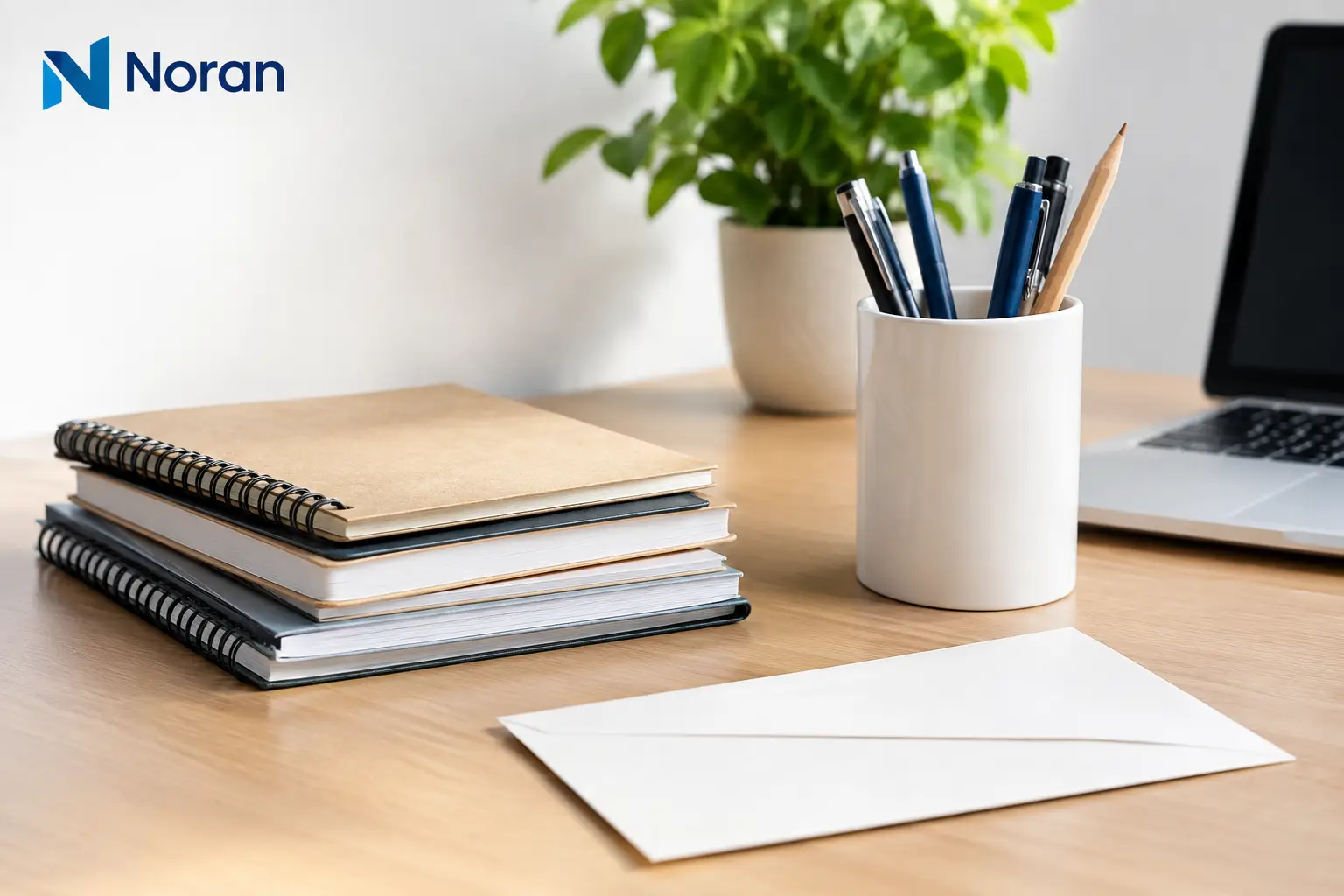
Business stationery includes the printed materials used to represent and operate your organization. Some pieces are highly visible, such as business cards and presentation folders. Others work behind the scenes, including forms, invoices, packing slips, and notepads.
The right mix depends on how your organization communicates. A professional services firm may rely heavily on letterhead, envelopes, and presentation folders for client proposals. A trades business may need durable job forms, invoices, door hangers, and vehicle decals. A school or community organization might prioritize event programs, newsletters, raffle tickets, and branded notepads.
What these pieces have in common is repetition. Your staff uses them often, customers see them regularly, and small inconsistencies become noticeable over time. A business card with an outdated phone number or an envelope that does not match the letterhead creates unnecessary confusion. A coordinated set of materials does the opposite: it makes each communication feel intentional.
Core Business Stationery Pieces
Letterhead remains valuable even when much correspondence is digital. Formal letters, quotes, agreements, welcome packages, and printed reports gain credibility when presented on quality branded letterhead. It provides a clear home for your logo, contact information, and business identity without crowding the page.
Envelopes carry that identity before a recipient reads a single word. A properly printed envelope creates a professional first impression for mailed invoices, direct-mail campaigns, client documents, and event invitations. It also saves staff time compared with applying labels or handwriting return information.
Business cards are compact, but they are not minor. They are still one of the easiest ways to make a direct, personal connection at meetings, job sites, community events, and local networking opportunities. The best card is easy to read, includes only the most useful contact information, and uses paper stock that feels appropriate for your brand.
Forms and invoices deserve the same care. These are operational tools, so clarity comes first. Well-designed forms reduce missed information, make records easier to organize, and give customers a more polished experience. Numbered invoice books, work orders, inspection sheets, and receipt pads can also be produced with duplicate or triplicate copies where needed.
How to Build a Consistent Stationery Set
A consistent stationery set begins with a practical brand standard. This does not need to be a complicated document, but it should establish the logo version, approved colors, typefaces, contact details, and the basic layout style your organization will use.
Start by deciding which items are truly part of your regular workflow. Ordering every possible product is not always the best use of your budget. A company that communicates mostly by email may need business cards, branded note cards, envelopes, and occasional presentation folders rather than a large letterhead inventory. On the other hand, an office that sends frequent printed proposals or contracts may benefit from keeping letterhead and matching envelopes readily available.
Next, make sure every item uses current information. This is especially important after a move, rebrand, staff change, website update, or phone system change. Review the fine print as carefully as the headline. Unit numbers, postal codes, licensing details, social handles, and email addresses are easy to overlook and expensive to correct after printing.
Then choose materials based on use, not just appearance. A thick uncoated card stock can give business cards a substantial, approachable feel and is easy to write on. Gloss-coated stock can make images and color-rich graphics stand out, though it may not suit every design. Letterhead typically needs to work reliably in office printers as well as look professional when it leaves the shop. Your print provider can help match paper, finish, and production method to the job.
Why Color Accuracy Matters
Color consistency is one of the most visible signs of a well-managed brand. A logo that appears dark navy on one item, nearly black on another, and bright blue on a third can make a business look less established than it is.
Digital files display color with light, while printed pieces reproduce color with ink or toner. That difference means an on-screen design is not always a perfect prediction of the final printed result. Paper type, coating, ink coverage, and the press process all affect the finished appearance.
For recurring stationery, establish approved print files and keep them on record. This makes reorders faster and helps maintain consistency across business cards, letterhead, envelopes, brochures, and other materials. If brand color is particularly sensitive, request guidance on the most suitable color specifications and proofing approach before committing to a larger run.
Quantity, Timing, and Reorders
Ordering quantity is a balancing act. Larger runs often reduce the unit cost, but stationery should not sit in storage so long that information becomes outdated. Businesses with stable branding and high mail volume may benefit from ordering envelopes or forms in larger quantities. Smaller organizations, new ventures, and businesses in transition may prefer shorter runs until details are firmly established.
Think ahead to seasonal needs as well. Event materials, holiday cards, annual fundraising packages, school communications, and promotional campaigns often require matching stationery or printed support pieces. Planning these orders early protects your options for paper selection, finishing, and turnaround.
For repeat items, keeping approved artwork organized is one of the simplest ways to reduce delays. Name files clearly, identify the final version, and avoid sending a logo copied from a website or pulled from a screenshot. High-quality source files produce sharper results and give your printer more flexibility when adapting artwork across different sizes and products.
One Print Partner Makes the Details Easier
When business stationery, promotional materials, signage, apparel, and event pieces come from separate suppliers, maintaining consistency takes more time. Colors can drift, artwork versions can multiply, and each new order can begin with the same back-and-forth.
Working with one experienced print partner helps bring order to that process. At Noran Printing, businesses and organizations can coordinate everyday paper products alongside brochures, booklets, labels, large-format pieces, branded merchandise, embroidery, and screen printing. That broader view is useful when a new campaign needs more than one item or when your brand needs to look consistent from the front desk to the job site.
The strongest stationery does not need to be flashy. It needs to be accurate, readable, well made, and ready when your team needs it. Whether you are updating a single business card or building a complete set of branded materials, treat each printed piece as a practical extension of the service your organization provides.