A brochure that looks sharp on page one but slightly off by page two is not doing your business any favors. The same goes for invoices that don’t align properly, presentation folders with weak color consistency, or menus that need to hold up through repeated reorders. If you have ever asked what is offset printing services, the short answer is this: it is a traditional commercial printing method built for consistent, high-quality results, especially when you need larger quantities.
Offset printing remains a standard choice for business printing because it produces clean detail, dependable color, and efficient unit costs at volume. While digital printing has changed how many short-run jobs are handled, offset still has a very clear place. For many organizations, it is the better fit when quality, consistency, and scale matter more than getting a few pieces out the door quickly.
What Is Offset Printing Services and How Does It Work?
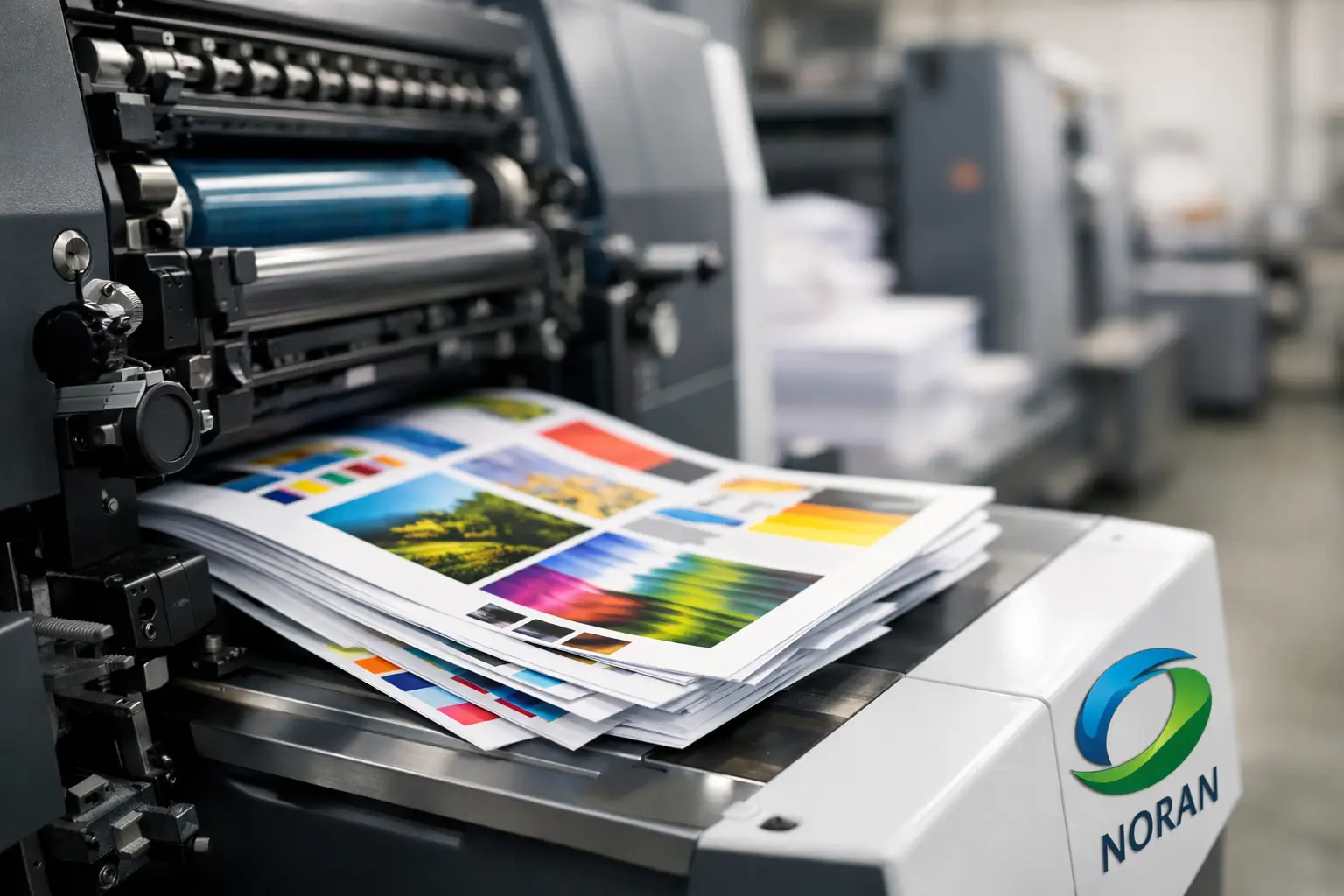
Offset printing services use metal plates to transfer an inked image onto a rubber blanket, which then prints that image onto paper. That extra transfer step is where the word offset comes from. Instead of printing directly from plate to paper, the image is offset first, which helps create even, accurate results across long press runs.
In practical terms, this process is designed for repeatability. Once the press is set up and running properly, sheet after sheet can be printed with excellent consistency. That makes offset a strong option for products like brochures, booklets, letterheads, envelopes, presentation folders, newsletters, forms, and other paper materials where a professional appearance matters.
The setup is more involved than digital printing, so offset is not always the right answer for every order. But when the job calls for volume and reliable print quality, it earns its place quickly.
Why Businesses Still Choose Offset Printing
Offset has been around for a long time, and not by accident. It solves problems that many businesses run into when they need polished printed materials on a regular basis.
One major reason is image quality. Offset printing is known for sharp lines, smooth solids, and dependable color reproduction. If your brand uses specific colors across multiple items, that consistency can matter a lot. A company brochure, sales sheet, and letterhead should feel like they belong to the same brand family, not like they were produced under different standards.
Another reason is efficiency at higher quantities. Offset involves setup time, plate creation, and press preparation, so the starting cost is typically higher. But once the job is on press, the per-piece cost often drops enough to make it more economical than digital printing for medium to large runs. If you are printing hundreds or thousands of pieces, the math can shift in offset’s favor.
Paper flexibility also plays a role. Offset presses can handle a wide range of paper stocks and finishes, which gives businesses more control over the final look and feel. That matters when you want a flyer to feel lightweight and cost-effective, but a presentation folder or booklet cover to feel more substantial.
Where Offset Printing Makes the Most Sense
Not every print project belongs on an offset press. The best use cases tend to be repeat business materials, higher-volume marketing pieces, and jobs where color accuracy and clean finishing matter.
For example, offset is often well suited for stationery systems such as business cards, letterheads, and envelopes when brand consistency is a priority across multiple team members or departments. It is also a strong fit for brochures, rack cards, newsletters, annual reports, catalogs, booklets, menus, and multi-part forms when the quantities are high enough to justify setup.
Schools, nonprofits, municipalities, and growing businesses often benefit from offset because they reorder the same core materials again and again. Once specifications are dialed in, future runs can be reproduced with a high level of consistency. That saves time and reduces the chance of noticeable variation between batches.
There is also a practical side to this. If you are ordering materials that support everyday operations, such as invoice books, forms, envelopes, or branded handouts, you want printing that looks professional without requiring constant troubleshooting. Offset is built for that kind of dependable production.
Offset vs. Digital Printing
For many buyers, the real question is not simply what is offset printing services, but whether offset or digital is the better fit for the job.
Digital printing works directly from a digital file and does not require plates. That makes it faster to set up and better for short runs, variable data, or projects that need quick updates between versions. If you need a small quantity of flyers fast, or personalized mailers with different names and addresses, digital often makes more sense.
Offset printing, on the other hand, becomes more attractive as quantities increase. It is typically stronger for long runs, exacting color consistency, and jobs where premium print quality is a top priority. It also handles certain specialty inks and finishing requirements more effectively.
The trade-off comes down to run length, turnaround, personalization, and budget structure. Digital usually wins on speed and flexibility for smaller orders. Offset often wins on consistency and unit cost at scale. A reliable print partner will not force every project into one method. They will look at the job itself and recommend the most practical route.
What Affects the Cost of Offset Printing Services?
Offset pricing is shaped by both setup and production. The first part includes preparing files, making plates, calibrating ink, and getting the press ready. The second part is the actual print run, along with paper, finishing, and delivery.
That is why quantity matters so much. If you only need 50 pieces, the setup cost gets spread across a very small number of items, which makes each piece relatively expensive. If you need 5,000, that same setup cost is distributed much more efficiently.
Other factors include the number of ink colors, the paper stock, the sheet size, whether printing is one-sided or two-sided, and what finishing is needed after printing. Folding, trimming, scoring, numbering, perforating, saddle stitching, and coating all affect the final price. None of that is unusual. It is simply part of producing a finished piece that performs the way it should.
The best approach is to think beyond the initial quote. A lower-cost print method is not always the better value if it creates inconsistency, requires frequent reprints, or falls short on presentation.
Common Misunderstandings About Offset Printing
One common misconception is that offset is outdated. It is true that digital printing has become essential for many modern print needs, but offset is still widely used because it excels in areas that matter to business buyers. High-volume brochures, branded stationery, booklets, forms, and marketing collateral continue to be produced on offset presses every day.
Another misunderstanding is that offset is only for very large corporations. In reality, small and mid-sized businesses often benefit from it, especially when they order recurring materials in practical quantities. If you are replenishing printed materials regularly, offset may be the more efficient long-term option.
There is also a tendency to assume offset always means slower production. Sometimes it does take longer because of setup and scheduling. But that depends on the job, the shop’s workflow, and whether the order is being planned properly. If a piece is part of your regular business operations, ordering ahead can make offset both practical and cost-effective.
How to Know if Offset Is Right for Your Project
The easiest way to decide is to look at four things: quantity, quality expectations, timeline, and whether the piece changes often.
If you need a large run, want excellent color consistency, and plan to reorder the same item again, offset is worth serious consideration. If the content changes frequently, the quantity is low, or you need personalized pieces, digital may be the better choice.
This is where working with an experienced local print provider helps. A good printer will ask the right questions about stock, usage, run size, and deadlines before recommending a method. That kind of guidance matters because the wrong print process can cost you more in the long run, either in dollars or in quality.
At Noran Printing, that conversation is part of the service. Businesses and organizations do not always need a technical lesson on presses and plates. They need clear advice, dependable production, and printed materials that represent them well.
If you are ordering pieces that need to look professional every time they land in a customer’s hands, offset printing is still one of the strongest tools available. The right project does not need the newest method. It needs the one that delivers the best result.